
Table of Contents
Choosing Your First Dog: A Happy Guide
Understanding Dog Ownership Tips for First-Time Owners
Dog Breed Suitability for First-Time Owners
Temperament Traits Ideal for First-Time Owners
Grooming Requirements and Breed Maintenance
Lifespan and Long-Term Commitment
Health Issues and Breed-Specific Medical Concerns
Dog Training Ease and Intelligence Levels
Comparative Guide to Popular First-Time Owner Breeds
Additional Considerations for Your New Dog
Frequently Asked Questions About Choosing Your First Dog
Choosing Your First Dog: A Happy Guide
Welcoming a furry friend into your home is an incredible journey filled with love, joy, and countless playful moments! As a first-time owner, choosing the right dog breed is your first step toward a harmonious life together. We are here to help you find the perfect match.
At uberclimb.com, we believe that bringing love, joy, and play to every pet’s day starts with making informed decisions. This comprehensive guide will walk you through everything you need to know about selecting the best dog breeds for first-time owners.
Understanding Dog Ownership Tips for First-Time Owners
Before you even think about specific dog breed characteristics, it’s essential to consider your own lifestyle. Expert dog ownership tips always begin with an honest assessment of your time, space, and financial resources. Can you truly commit to daily walks, consistent puppy training, and potential vet care costs? These are crucial questions for any new dog owner.
Space and Living Environment Suitability
Your living situation plays a big role in choosing a dog. If you reside in an apartment, a small dog breed might be more suitable than a large dog breed. For example, smaller companions like the Bichon Frise or Yorkshire Terrier can thrive in cozier spaces, making them excellent apartment dogs.
In contrast, larger dogs like Boxers or Golden Retrievers need more room to play and stretch out. Always consider access to outdoor areas for their daily needs, ensuring a dog friendly lifestyle. Matching dog size to living environment and owner capability is key for successful first-time dog ownership.
Time Commitment and Exercise Needs
Every dog, regardless of size, requires daily exercise and mental stimulation. Some breeds have higher dog exercise needs than others. For example, a working breed like a Labrador Retriever will need much more activity than a more laid-back breed such as a Cavalier King Charles Spaniel. Be realistic about the time you can dedicate each day to walks, playtime, and training, especially when considering breeds like the highly intelligent Poodle or the energetic Golden Retriever.
Temperament Traits Ideal for First-Time Owners
When choosing a breed, opt for a dog breed personality that is calm, friendly, and adaptable. Breeds like the Golden Retriever, Labrador Retriever, and Cavalier King Charles Spaniel are often recommended for first-time owners due to their gentle, affectionate, and easygoing temperaments. Greyhounds, surprisingly, are also known for their calm demeanor indoors, making them suitable for novice owners. These breeds are typically eager to please, which simplifies puppy training and helps you build a strong bond from the start.
Grooming Requirements and Breed Maintenance
Dog grooming needs are a significant consideration for first-time owners. Some breeds, like the Poodle, require moderate grooming but can be kept in various clip styles, while long-haired breeds may require daily brushing to prevent mats and manage shedding. For instance, a Golden Retriever’s beautiful coat needs regular attention. Low-maintenance breeds are often preferred by first-time owners to ease into the responsibilities of dog care. Understanding these canine grooming requirements helps you prepare for the ongoing commitment.
Lifespan and Long-Term Commitment
Understanding dog breed lifespan is essential for planning your long-term commitment. Small dog breeds like Chihuahuas can live up to 15-18 years, while larger breeds such as Saint Bernards typically have shorter lifespans of 8-10 years. This variability means you’re committing to many years of love and care, underscoring the importance of choosing a right dog breed that fits your long-term plans. This long-term perspective is crucial for responsible first-time dog ownership.
Health Issues and Breed-Specific Medical Concerns
Certain breeds are prone to specific dog health issues, making veterinary care affordability and potential vet care costs a crucial consideration. For example, French Bulldogs are prone to Intervertebral Disc Disease (IVDD), and large breeds like Saint Bernards can be at risk for hip and knee dysplasia. Researching healthy dog breeds and understanding potential breed-specific medical concerns, such as those that might lead to significant vet care costs, is vital. Companies like Bella & Duke in the United Kingdom emphasize the importance of raw puppy food nutrition to support overall health and potentially mitigate some health issues, aiding in a healthy dog breed lifespan.
Dog Training Ease and Intelligence Levels
The ease of dog training and a breed’s intelligence levels are paramount for first-time owners. Golden Retrievers, Labrador Retrievers, and Poodles are consistently noted as highly trainable and intelligent, making them excellent choices for those new to dog ownership. Their eagerness to learn and please simplifies the puppy training methodology, allowing for a more manageable and rewarding experience. Even Albert Einstein famously said, “The important thing is not to stop questioning,” a sentiment that applies to the continuous learning involved in training an intelligent dog.
Dog Breed Suitability for First-Time Owners
Finding the perfect companion is an exciting part of first-time dog ownership. Certain dog breeds are particularly well-suited for new pet parents due to their trainability, adaptable temperaments, and eagerness to please. These characteristics make the learning curve much smoother, ensuring a harmonious start to your life together.
Top Picks for New Dog Owners
Many experts and experienced owners, including those in the United Kingdom like Bella & Duke, recommend breeds known for their friendly and manageable personalities. Let us explore some of the best dog breeds for first-time owners.
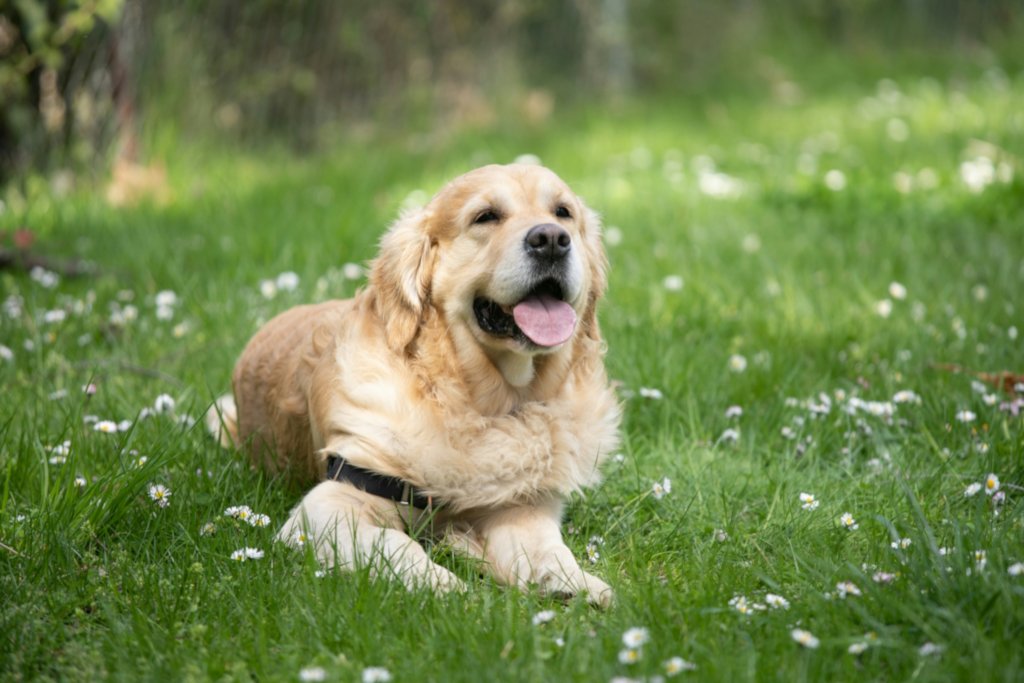
- Golden Retriever: Known for their friendly and tolerant nature, Golden Retrievers are often described as easy to train and excellent with children. They are eager to please and form strong bonds with their families, making them ideal family dog breeds. Their cheerful dog breed personality shines through in every interaction.
- Labrador Retriever: Similar to Golden Retrievers, Labradors are highly intelligent and trainable. They are known for their playful spirit and adaptability, making them wonderful family dog breeds. Their willingness to learn makes puppy training a joy for new dog owners.
- Poodle: Poodles, in all their sizes (Standard, Miniature, and Toy), are incredibly intelligent and highly trainable. They are also known for their hypoallergenic coats, though they do have specific dog grooming needs. Their adaptable dog breed characteristics make them suitable for various living environments, including apartment dogs.
- Cavalier King Charles Spaniel: These gentle and affectionate dogs are perfect apartment dogs. Their calm demeanor and love for companionship make them ideal for owners seeking a cuddly friend, embodying a truly dog friendly lifestyle.
- Greyhound: Surprisingly, retired Greyhounds are often wonderful for first-time owners. They are known as “45-mile-per-hour couch potatoes,” enjoying bursts of speed followed by long naps. They are gentle and quiet indoors, making them great apartment dogs despite being a large dog breed.
- Bichon Frise: This cheerful, small dog breed is affectionate and generally good with children. They are known for their playful personalities and are great apartment dogs, requiring moderate dog exercise needs.
Matching Dog Size to Your Living Environment
Size considerations are paramount when choosing a breed. Smaller breeds like Yorkshire Terriers and Bichon Frise are perfectly suited for apartment living, requiring less space and often having lower dog exercise needs. On the other hand, larger breeds such as Golden Retrievers and Boxers require more room and consistent control during walks. Understanding your living environment suitability is a key dog ownership tip.
Temperament Traits Ideal for First-Time Owners
When considering the right dog breed, temperament is crucial. First-time owners benefit greatly from breeds with calm, friendly, and adaptable temperaments. Golden Retrievers, Cavalier King Charles Spaniels, and Greyhounds are excellent examples. These breeds are typically gentle, affectionate, and easygoing, which simplifies puppy training and integration into a new home. Their manageable dog breed personality ensures a smoother transition for new dog owners.
Grooming Requirements and Breed Maintenance
Grooming needs vary widely and are a significant consideration for new dog owners. Poodles, for instance, need moderate grooming to maintain their coats, but their hypoallergenic qualities can be a plus. Long-haired breeds, while beautiful, may require daily brushing and contribute to more shedding, meaning more vacuuming! Choosing a low-maintenance breed can significantly reduce the dog care responsibility for first-time owners.
Lifespan and Long-Term Commitment
Understanding the dog breed lifespan is essential for preparing for a long-term commitment. Small dog breeds like Chihuahuas can live up to 15-18 years, offering many years of companionship. In contrast, large dog breeds like Saint Bernards typically have shorter lifespans, around 8-10 years. This variability in dog lifespan highlights the importance of thorough research when choosing a breed, as you are committing to a furry family member for many years.
Health Issues and Breed-Specific Medical Concerns
Before making a decision, research potential dog health issues and breed-specific medical concerns. Some breeds are predisposed to certain conditions, which can impact vet care costs and overall dog care responsibility. For example, French Bulldogs are prone to Intervertebral Disc Disease (IVDD), and Saint Bernards can face risks of hip and knee dysplasia. Being aware of these challenges helps you prepare for potential veterinary care affordability and ensures you can provide the best care for your new companion.
Dog Training Ease and Intelligence Levels
The ease of dog training is a major factor for first-time owners. Breeds like Golden Retrievers, Labrador Retrievers, and Poodles are renowned for their high intelligence and eagerness to please, making them highly trainable. This makes puppy training methodology more manageable and enjoyable. Selecting an intelligent and trainable breed can significantly enhance the first-time dog ownership experience, helping you build a strong bond with your pet quickly.
Temperament Traits Ideal for First-Time Owners
When you’re choosing a breed, temperament is paramount, especially for first-time owners. You should look for dogs with calm, friendly, and adaptable personalities. A dog breed personality that is too challenging can overwhelm a novice, making first-time dog ownership more difficult than it needs to be.
“The best dog for a first-time owner is one whose temperament aligns with the owner’s lifestyle, prioritizing patience, trainability, and a gentle nature,” says a renowned canine behaviourist.
Breeds like the Golden Retriever, Cavalier King Charles Spaniel, and Greyhound are often highlighted for their gentle and easygoing dispositions. These dog breed characteristics make them incredibly suitable for those new to dog care responsibility. They exemplify the ideal traits for a harmonious start to your journey.
Grooming Requirements and Breed Maintenance
Understanding dog grooming needs is a vital part of responsible dog ownership, especially for first-time owners. These needs vary significantly between breeds and directly impact your daily routine and dog care responsibility.
Some breeds, like the Poodle, require moderate grooming to maintain their distinctive curly coats. You can keep Poodles in various stylish cuts, but consistent attention is key to preventing mats. This is a crucial consideration when choosing a breed.
Long-haired breeds, such as the beloved Golden Retriever, may require daily brushing. This helps manage shedding and prevents painful mats from forming. Their beautiful coats are a joy, but they demand commitment.
For first-time owners, considering how much time you are willing to spend on grooming is essential. Many new dog owners prefer low-maintenance breeds to ease into the routines of dog ownership. This helps ensure a smoother transition into your new dog friendly lifestyle.
Lifespan and Long-Term Commitment
Understanding dog breed lifespan variability is crucial for planning your future together! Getting a dog is a significant, long-term commitment, and knowing how long your potential companion might live helps you prepare for many happy years.
Small dog breeds, like the Chihuahua or the Yorkshire Terrier, can live for 15 to 18 years, offering you many years of companionship. Conversely, larger breeds such as Saint Bernards typically have shorter lifespans, averaging 8 to 10 years. This is an important factor in your dog ownership tips.
That said, each dog is an individual, and proper care, including quality raw puppy food nutrition and consistent vet care, can significantly influence their longevity and overall health. This commitment to their well-being is a key part of first-time dog ownership.
Health Issues and Breed-Specific Medical Concerns
Just like us, certain dog breeds are predisposed to specific dog health issues. Being aware of these can help you anticipate potential vet care costs and provide the best possible care for your furry friend.
For instance, French Bulldogs are unfortunately prone to conditions like Intervertebral Disc Disease (IVDD) and breathing difficulties. Large breeds like Saint Bernards can be at risk for hip and knee dysplasia. Understanding these potential challenges is a key part of responsible dog care responsibility.
Choosing healthy dog breeds or thoroughly understanding the potential medical challenges of your chosen breed ensures you’re prepared. This proactive approach supports a dog-friendly lifestyle and helps manage veterinary care affordability for first-time dog ownership.
Dog Training Ease and Intelligence Levels
The ease of puppy training is a significant factor for first-time owners. Highly intelligent dog breeds are often more receptive to training, making the process more rewarding for both you and your new pet. This directly impacts your dog care responsibility and overall dog friendly lifestyle.
Golden Retrievers, Labrador Retrievers, and Poodles are consistently ranked among the most intelligent and trainable breeds. Their eagerness to learn and please makes them excellent candidates for manageable training experiences, especially for new dog owners. These breeds are often highlighted in any dog breed guide as the best dog breeds for first time owners due to their temperament and intelligence.
Just like Albert Einstein, a brilliant mind, understood the value of learning, the same applies to our canine companions! Choosing a breed known for its intelligence can greatly simplify puppy training methodology, leading to a happier household.
Comparative Guide to Popular First-Time Owner Breeds
To truly help you in choosing a breed that aligns with your lifestyle, we’ve compiled a comparative guide to some of the best dog breeds for first-time owners. This comprehensive dog breed guide highlights key dog breed characteristics, making your decision-making process much smoother. Understanding these traits is crucial for a successful first-time dog ownership experience and a harmonious dog friendly lifestyle.
Dog Breed Suitability for First-Time Owners
When you’re a new dog owner, selecting the right dog breed is paramount. Breeds like the Golden Retriever, Labrador Retriever, and Poodle consistently top the list for their trainability and friendly nature. Golden Retrievers, for instance, are known for being easy to train and wonderful with children, making them ideal family dog breeds. Labradors are eager to please, simplifying puppy training, while Poodles are highly intelligent and trainable, a trait often compared to Albert Einstein’s intellect in the canine world. These characteristics directly reduce your dog care responsibility and set the stage for positive interactions.
Size Considerations: Small, Medium, and Large Dog Breeds
Matching your chosen dog’s size to your living environment and your own capabilities is a critical step in dog ownership tips. Small dog breeds such as the Yorkshire Terrier and Bichon Frise are excellent apartment dogs, thriving in smaller spaces. On the other hand, large dog breeds like the Golden Retriever and Boxer require more expansive living areas and a firm hand in training due to their strength and energy levels. Size impacts everything from exercise needs to compatibility with children and even vet care costs, making it a significant factor in choosing a breed.
Temperament Traits Ideal for First-Time Owners
For first-time owners, prioritizing breeds with calm, friendly, and adaptable temperaments is a wise choice. Breeds like the Golden Retriever, Cavalier King Charles Spaniel, and Greyhound exemplify these traits. Golden Retrievers are renowned for their gentle and affectionate nature. Cavalier King Charles Spaniels are graceful and loving, making them wonderful companions. Greyhounds, despite their racing heritage, are surprisingly gentle, independent, and quiet, adapting well to a relaxed pace of life. These breeds offer a smooth transition into new dog ownership, minimizing behavioral challenges.
Grooming Requirements and Canine Grooming Needs
Considering dog grooming needs is essential, as it directly impacts your long-term commitment and dog care responsibility. For example, Poodles require moderate to high grooming, but their hypoallergenic coats are a significant benefit for allergy sufferers. Breeds like the Bichon Frise also have high grooming needs to maintain their cheerful appearance. In contrast, low-maintenance breeds, which are often preferred by first-time owners, include the Greyhound and Boxer, requiring minimal grooming. Long-haired breeds, such as the Yorkshire Terrier, demand regular attention to prevent matting and shedding, often necessitating daily vacuuming.
Dog Lifespan Variability and Long-Term Commitment
Understanding the average lifespan of your chosen breed is crucial for preparing for a long-term commitment. Small dog breeds like the Yorkshire Terrier and Bichon Frise can live up to 15-18 years, offering many years of companionship. Larger breeds, while equally loving, generally have shorter lifespans; for instance, Boxers and Golden Retrievers typically live 10-12 years. This variability in dog breed lifespan highlights the importance of considering the long-term emotional and financial investment involved in dog ownership.
Health Issues and Breed-Specific Medical Concerns
Being aware of potential dog health issues and breed-specific medical concerns is vital for veterinary care affordability. Certain breeds are predisposed to particular health problems. For example, French Bulldogs, while charming apartment dogs, are prone to Intervertebral Disc Disease (IVDD). Large breeds, such as the Boxer, can be susceptible to hip and knee dysplasia. Researching these healthy dog breeds and their potential challenges beforehand helps you plan for vet care costs and ensure a healthy dog friendly lifestyle. Brands like Bella & Duke in the United Kingdom emphasize the importance of raw puppy food nutrition to support overall canine health and potentially mitigate some of these issues.
Dog Training Ease and Intelligence Levels
The ease of puppy training is a significant factor for first-time owners, and breed intelligence plays a large role. Golden Retrievers, Labrador Retrievers, and Poodles are consistently ranked among the most intelligent and trainable breeds. Their eagerness to learn and please makes puppy training methodology more rewarding for both you and your new pet. These breeds are excellent choices for new dog owners seeking a manageable training experience, directly impacting your dog care responsibility and overall dog friendly lifestyle.
| Breed | Temperament | Grooming Needs | Exercise Needs | Apartment Suitability | Average Lifespan |
| Golden Retriever | Friendly, Patient, Intelligent | Moderate (Sheds) | High | Medium | 10-12 years |
| Labrador Retriever | Outgoing, Eager to Please, Active | Moderate (Sheds) | High | Medium | 10-12 years |
| Poodle (Standard) | Intelligent, Active, Proud | High (Hypoallergenic) | Moderate to High | Medium to High | 10-18 years |
| Cavalier King Charles Spaniel | Affectionate, Gentle, Graceful | Moderate | Low to Moderate | High | 9-14 years |
| Greyhound | Gentle, Independent, Quiet | Low | Moderate (Sprinting bursts) | High | 10-14 years |
| Bichon Frise | Cheerful, Playful, Charming | High (Hypoallergenic) | Low to Moderate | High | 12-15 years |
| Boxer | Playful, Loyal, Energetic | Low | High | Medium | 10-12 years |
| Yorkshire Terrier | Spirited, Affectionate, Bold | High | Low | High | 13-16 years |
| French Bulldog | Adaptable, Playful, Affectionate | Low | Low to Moderate | High | 10-12 years |
Additional Considerations for Your New Dog
Rescue Dog Adoption versus Buying a Puppy
As a new dog owner, you’ll also navigate the decision of rescue dog adoption or buying a puppy from a reputable breeder. Both paths offer unique rewards for first time owners. Pet re-homing and rescue organizations often have adult dogs whose personalities are already established. This can be incredibly beneficial for first-time owners as you’ll have a clearer idea of their temperament and dog breed personality from day one.
Buying a puppy, on the other hand, allows you to experience every stage of their development. This path requires significant puppy training and socialization, laying the groundwork for a well-adjusted adult dog. Consider your lifestyle and what type of dog care responsibility you’re ready for.
Raw Puppy Food Nutrition and Diet
Providing proper nutrition is vital for your new dog’s health and well-being. Many brands, like Bella & Duke in the United Kingdom, advocate for raw puppy food nutrition. This approach focuses on natural, unprocessed ingredients to support a healthy dog lifespan.
Discussing dietary needs with your veterinarian is always recommended. A healthy diet, tailored to your dog’s specific dog breed characteristics and age, contributes significantly to a long and healthy life, helping to manage potential dog health issues.
The Importance of Socialization and Early Training
Regardless of the dog breed you choose, early socialization and consistent puppy training are paramount. A well-socialized puppy grows into a confident, well-behaved adult dog, making for a much smoother first-time dog ownership experience.
This includes exposure to various sights, sounds, people, and other friendly dogs. Puppy training methodology should focus on positive reinforcement to build a strong bond and prevent behavioral traits to avoid for first-time owners.
Understanding Dog Breed Suitability for First-Time Owners
When choosing a breed, suitability for first-time owners is key. Breeds like Golden Retrievers, Labrador Retrievers, and Poodles are often highlighted for their trainability and friendly nature. Golden Retrievers, for instance, are known to be easy to train and excellent with children, embodying the ideal family dog breeds. Labradors are eager to please, making them responsive to training, while Poodles are highly intelligent and trainable, adapting well to various living environments.
Size Considerations: Small, Medium, and Large Breeds
Matching dog size to your living environment and owner capability is crucial. Small dog breeds like Yorkshire Terriers and Bichon Frise are perfectly suited for apartment living suitability, requiring less space. Conversely, large dog breeds such as Golden Retrievers and Boxers require more space and consistent control during walks and play. Size impacts everything from dog exercise needs to compatibility with children, making it a critical aspect of choosing a breed.
Temperament Traits Ideal for First-Time Owners
Selecting a dog with a calm, friendly, and adaptable temperament is essential for first time owners. Breeds such as Golden Retrievers, Cavalier King Charles Spaniels, and Greyhounds are often recommended. These breeds are typically gentle, affectionate, and easygoing, making them excellent companions for novice owners. Their predictable dog breed personality contributes to a harmonious dog friendly lifestyle.
Grooming Requirements and Breed Maintenance
Dog grooming needs are a significant consideration. Poodles, for example, require moderate grooming but can be kept in various clip styles. Long-haired breeds, while beautiful, may require daily grooming and frequent vacuuming due to shedding. For first-time owners, low-maintenance breeds can simplify dog care responsibility and reduce vet care costs related to skin issues.
Lifespan and Long-Term Commitment
Understanding dog breed lifespan variability is essential for planning your long-term commitment. Small breeds, like Chihuahuas, can live up to 15-18 years, while large breeds such as Saint Bernards typically have shorter lifespans of 8-10 years. This helps new dog owner prepare for the full extent of their dog care responsibility.
Health Issues and Breed-Specific Medical Concerns
Certain dog breeds are prone to specific dog health issues, which can impact veterinary care affordability. For example, French Bulldogs are known for Intervertebral Disc Disease (IVDD), while Saint Bernards may face risks of hip and knee dysplasia. Researching potential health concerns for your chosen breed is a vital part of responsible first-time dog ownership.
Dog Training Ease and Intelligence Levels
The ease of dog training and intelligence levels are significant factors for first time owners. Breeds like Golden Retrievers, Labrador Retrievers, and Poodles are noted for being highly intelligent and trainable. This makes the puppy training process more manageable and rewarding, contributing to a successful first-time dog ownership experience.
Frequently Asked Questions About Choosing Your First Dog
Choosing the right furry companion is a monumental decision, especially for first-time owners. We understand you have questions, and we’re here to provide clear, helpful answers to ensure your first-time dog ownership journey is filled with love, joy, and play!
What are the best dog breeds for first-time owners?
For first-time owners, several dog breeds stand out due to their friendly dog breed personality, trainability, and adaptability. Our top recommendations include the Golden Retriever, Labrador Retriever, Poodle, Cavalier King Charles Spaniel, Greyhound, and Bichon Frise. These breeds are known for being eager to please, making puppy training a more rewarding experience. For example, Golden Retrievers are often celebrated for being easy to train and wonderful with children, while Poodles are highly intelligent and excel in learning new commands.
What should a new dog owner consider before choosing a breed?
As a new dog owner, careful consideration is key to finding the right dog breed. Think about your living environment suitability (do you live in an apartment or have a large yard?). Evaluate the available time for exercise and training you can commit, your financial capability for vet care costs, and your personal activity level. Matching a dog’s exercise and energy levels to your lifestyle is crucial for successful and happy first-time dog ownership. Remember, dog care responsibility is a significant commitment.
Are small dog breeds better for first-time owners?
Not necessarily! While small dog breeds like the Yorkshire Terrier or French Bulldog can be excellent apartment dogs and may require less intense dog exercise needs, their temperament and canine grooming requirements still vary widely. Some large dog breeds, such as the gentle Golden Retriever or the playful Boxer, are also fantastic choices for first-time owners due to their calm and affectionate natures. It’s all about finding the individual dog breed characteristics that align with your family and home.
What are common dog health issues to be aware of?
Common dog health issues and breed-specific medical concerns are an important aspect of veterinary care affordability. For instance, French Bulldogs are prone to Intervertebral Disc Disease (IVDD), while many larger breeds might face challenges like hip and elbow dysplasia. Researching the typical dog lifespan variability and potential health challenges of a breed before you commit is a vital part of being a responsible new dog owner. Companies like Bella & Duke in the United Kingdom often provide resources on raw puppy food nutrition, which can support overall health.
How important is puppy training for a first-time owner?
Puppy training is incredibly important for first-time owners. It establishes good habits, strengthens your bond, and proactively prevents behavioural issues. Breeds with high intelligence levels, like Poodles or Labrador Retrievers, often excel in structured puppy training methodology, making the process easier and more rewarding. Early socialization and early training are critical for developing a well-adjusted and dog friendly lifestyle.
References