
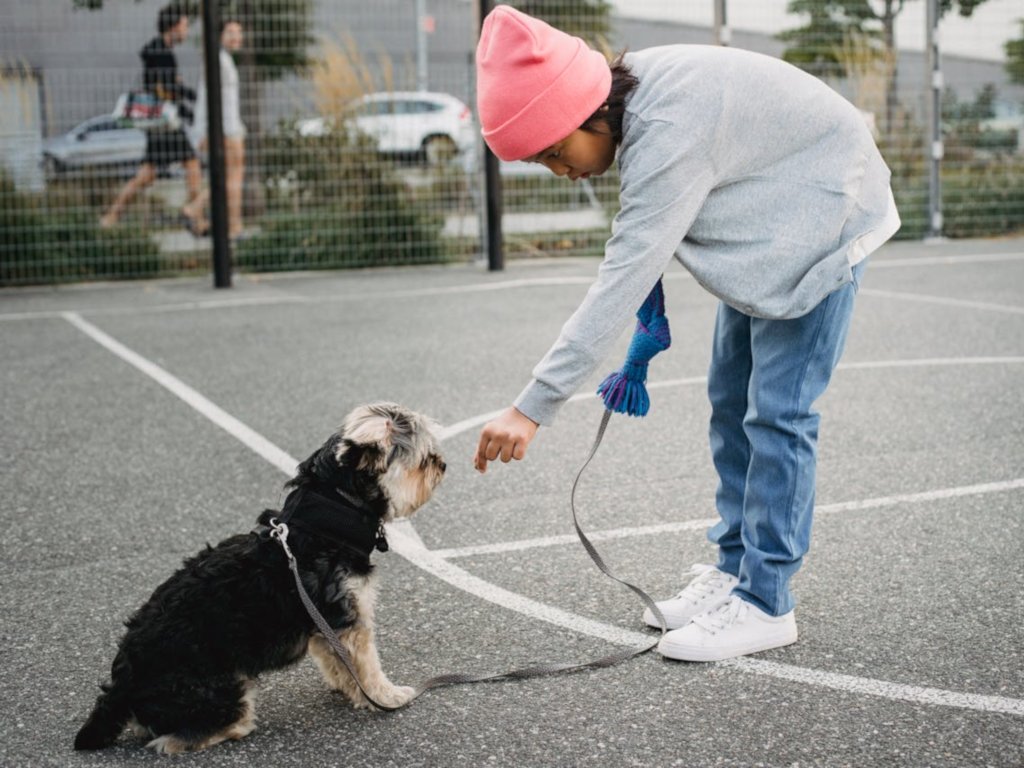
Leash Training & Etiquette: 10 Simple Rules For Stress‑Free Walks With Your Dog
Did you know that 68.5% of dog-walking hand and wrist injuries are caused by being pulled by a leash? Good leash training and clear walking etiquette are not just nice-to-have, they protect you, your dog, and everyone you pass on the sidewalk.
Key Takeaways
| Question | Short Answer |
|---|---|
| How do I start leash training a puppy or new dog? | Begin indoors with a fitted collar or harness, short sessions, and high-value treats, then slowly move to quiet outdoor spaces. Explore supportive gear in our Collars & Harnesses collection. |
| What is proper leash etiquette in public? | Keep your dog close, ask before approaching others, pick up poop every time, and keep your dog from crowding people or dogs they do not know. Hygiene helpers like ScoopEase Portable Dog Poop Scooper make this easier. |
| How can I stop my dog from pulling on the leash? | Use a consistent “stop and stand still” rule when the leash tightens, reward walking by your side, and avoid yanking the leash. A comfortable harness from our Dog collection can help. |
| What should I bring for a polite walk? | Leash, ID, poop bags, treats, and basic hygiene tools. Products in our Dog Hygiene category keep walks cleaner and more comfortable. |
| How does leash etiquette change when traveling by car? | Secure your dog in a car seat, clip the safety leash, and only leash and unleash when the car is parked and doors are controlled. Our Dog Car Seat collection is designed around this safety mindset. |
| How clean should my dog be for indoor or city walks? | Wipe or wash paws after dirty routes so you are not tracking street grime into homes or cars. Tools like PawSleek Paw Cleaner make this quick and gentle. |
1. Why Leash Training Matters For Every Walk
Leash training is about safety, trust, and comfort, not just “good behavior”. It lets your dog explore the world while you still have control in busy or unpredictable situations.
When leash manners are clear, you avoid injuries, conflicts with other dogs, and stressful tug-of-war walks. You also make walks more fun, which means you are more likely to walk your dog regularly.
Leash Training, Safety, And Everyday Life
On real sidewalks, you are dealing with traffic, kids, cyclists, and other dogs. A dog that pulls, lunges, or zigzags can create dangerous moments in seconds.
Calm leash skills also matter as soon as you leave your front door, such as walking to the car, entering a vet clinic, or heading into a dog-friendly shop.

2. Getting Started: Gear And Setup For Leash Training
Before you work on etiquette, you need the right basic setup. Your dog should wear a well-fitted collar or harness that keeps them secure without pinching or rubbing.
Use a standard fixed-length leash for training, not a retractable one. A steady length gives your dog clear information about where you are and how far they can go.
Everyday Walking Essentials
A polite walk also means you carry what you need to clean up after your dog every time. That is part of good etiquette in any neighborhood or park.
We designed ScoopEase – Portable Dog Poop Scooper (around $37.00) to make this part quick, clean, and hands-off, especially on longer training walks.


3. Step‑By‑Step Leash Training: From Living Room To Busy Streets
We like to think of leash training as a series of small, clear steps instead of one big skill. You start where your dog can focus easiest and build up gradually.
Below is a simple progression many families find practical.
Core 5‑Step Leash Training Process
Step 1: Indoors, no distractions. Clip the leash on, reward your dog for staying near you, and move around the room slowly.
Step 2: Add a cue. Choose a word like “let’s go” whenever you start walking so your dog links the cue and the movement.
Step 3: Practice “stop when tight”. The second the leash goes tight, stop walking and stay still until your dog returns near you.
Step 4: Quiet outdoor spaces. Move to a quiet driveway or calm street, repeat the same rules, and reward generously.
Step 5: Gradually add distractions. Only add busier areas when your dog is doing well in easier places.

This infographic presents a practical 5-step guide to leash training and etiquette for dogs. Learn how to improve walk behavior and safety.
Keep sessions short, fun, and predictable. Ending on a small win is better than pushing until your dog is frustrated or overstimulated.

Did You Know?
74% of dogs walk calmly on the lead, according to the 2024 Dogs Trust National Dog Survey, which gives you a realistic and achievable goal for your own leash training.
4. Leash Etiquette Basics: How To Be A Considerate Dog Walker
Leash etiquette is all about sharing space kindly with other people and animals. Even if your dog is friendly, not everyone wants contact.
Good manners on the leash make walks smoother, reduce conflict, and reflect well on dog owners as a community.
Core Leash Etiquette Rules
Keep your dog on a short, relaxed leash near roads, doorways, and blind corners.
Ask before approaching other dogs or people, and respect a “no”.
Do not allow your dog to crowd others, jump on people, or block pathways.
Pick up poop every time, even in grass or wooded areas.
Skip retractable leashes in crowds, they can trip others and reduce your control.
Tip: If in doubt, call your dog close and move to the side so others can pass comfortably.
5. Teaching Your Dog Not To Pull, Lunge, Or Zigzag
Pulling is one of the biggest leash frustrations for owners. It can also be what leads to painful hand or wrist injuries over time.
The good news is that dogs pull because it works, and you can change that pattern with consistency.
Anti‑Pull Training Techniques
| Problem | What You Do |
|---|---|
| Dog pulls forward | Stop instantly. Do not move until the leash loosens, then praise and walk. |
| Dog zigzags or wraps around you | Gently guide them back to your side, reward when they follow beside you. |
| Dog lunges at distractions | Increase distance, get their focus with a cue and treat, and only move closer if they stay calm. |
Be patient, especially in new environments. If you feel your own frustration rising, take a short break or move to an easier area.

6. Hygiene & Clean‑Paw Etiquette After Walks
Good leash manners do not stop when you reach the front door. Clean-paw etiquette matters to your home, your car, and any indoor spaces you visit.
City sidewalks and trails can leave paws covered in dirt, bacteria, and road salt. Cleaning up is part of a respectful walking routine.
Paw Cleaning For Comfortable, Polite Dogs
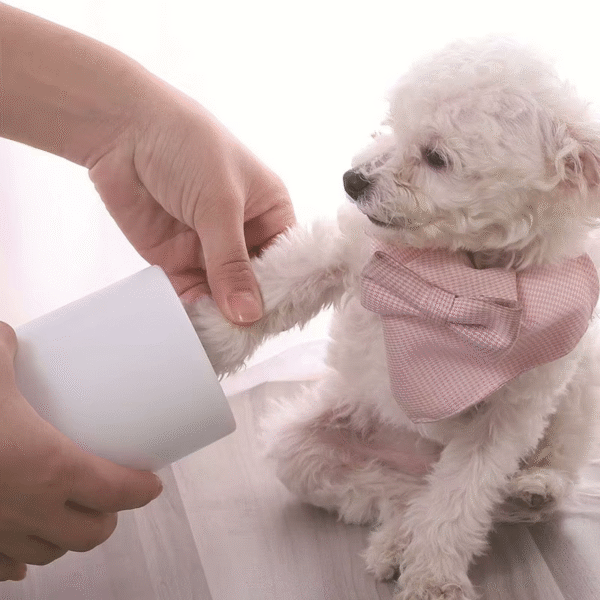
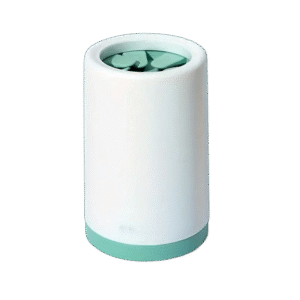
We created PawSleek: Keep Your Dog’s Paws Clean and Safe (around $33.00) to make this step quick, gentle, and thorough. Soft silicone bristles and an electric cleaning feature help remove grime without scrubbing hard.
A simple routine is to wipe or wash paws right after a walk, before your dog jumps in the car or heads across your floors.

Did You Know?
110,722 hand and wrist injuries related to dog walking were reported across five studies, which shows how important safe, calm leash behavior is for owners too.
7. Poop Etiquette: Cleaning Up Without Derailing Training
Poop etiquette is one of the clearest signs of a responsible dog owner. Leaving waste behind is unsafe, unpleasant, and often against local rules.
At the same time, fumbling with bags, bending over, and trying not to drop the leash can interrupt your training flow.
Using ScoopEase To Keep Walks Moving Smoothly
ScoopEase – Portable Dog Poop Scooper is built for one-handed use with an ergonomic handle, which keeps your other hand free to manage the leash. Biodegradable waste bags are included so your cleanup routine is as eco-conscious as it is tidy.
At around $37.00, it can quickly become your go-to for daily walks, especially if your dog likes to go more than once.
8. Safe Car‑To‑Leash Transitions With RideGuard
Many walks start or end with a car ride, especially trips to trails, vets, or new neighborhoods. That is where car safety and leash etiquette meet.
A dog that rushes out of the car door can pull you, surprise traffic, or slip out of their gear before you are ready.
Using RideGuard As Part Of Your Leash Routine
Our RideGuard – Hard Car Seat for Dogs is designed for dogs who travel often and need consistent safety. At around $258.00, it provides a hard-shell seat, built-in safety leash, and a secure space to clip or unclip your dog calmly.
Turn car exits into a little ritual: open one door, attach or check the leash, cue “wait”, then invite your dog out once you are ready.
9. Handling Common Leash Challenges Politely
Even with good training, real life will throw you distractions like squirrels, joggers, and other reactive dogs. Your job is to guide your dog through those calmly.
Having a plan ahead of time makes those moments less stressful and helps your dog trust you more.
Polite Responses To Tricky Situations
Passing another dog: Shorten the leash slightly, move to the side, and reward your dog for focusing on you.
Kids running up: Step between your dog and the children, ask the kids to wait, and only allow contact if your dog is relaxed.
Busy doorways or store entrances: Ask for a sit and “wait” until the path is clear.
If your dog struggles often, shorter walks in quieter areas plus more training at home can help reset their confidence.

10. Building A Daily Leash Routine Your Dog Can Rely On
Dogs feel more relaxed when they know what to expect. A consistent leash routine helps them settle faster on every walk.
Think of your routine as a simple sequence you repeat each time, from clipping on the leash to cleaning paws when you get home.
Sample Daily Leash Routine
Clip leash, check fit, and wait for a calm moment before opening the door.
Start the walk with a few minutes of loose-leash practice in a quiet area.
Let your dog sniff and explore within a set leash radius.
Handle poop cleanly and quickly using your chosen tools.
Return home, clean paws, and unclip the leash only after calm behavior.
The more often you repeat the same pattern, the easier leash manners and etiquette become for both of you.
Conclusion
Leash training and etiquette turn everyday walks into something you and your dog can genuinely look forward to. With clear rules, kind training, and the right tools, you protect your body, respect your neighbors, and help your dog feel safe in any environment.
Whether you are working on calmer walks, cleaner paws, or safer car trips, our dog collection is built to support you at every step. A little consistency today can mean years of relaxed, happy walks together.