

Senior Dog Care: The Ultimate Guide to Helping Your Aging Dog Thrive
If you’ve shared years with your dog, you already know something special happens when they grow older. The zoomies might slow down. The muzzle gets a little frosty. The naps get longer. But here’s the truth—senior dog care isn’t about watching them fade. It’s about helping them thrive in a new season of life.
Aging isn’t a disease. It’s a transition. And just like humans, dogs need different support as their bodies and minds change. Whether you’re in the US, UK, Australia, Canada, or New Zealand, the fundamentals of senior dog care stay the same: proactive health management, thoughtful home adjustments, and a whole lot of love.
This guide is designed to help you make informed decisions that improve your dog’s quality of life—and yes, even extend it. We’ll walk through nutrition, mobility, grooming, mental health, home safety, and practical products that make daily life easier.
Think of this as your roadmap to navigating your dog’s golden years with confidence.
Let’s begin.
Understanding When a Dog Becomes a Senior
One of the most common questions dog owners ask is simple: When is my dog officially a senior? The answer isn’t as straightforward as you might think.
Dogs don’t age at the same rate. A Great Dane ages much faster than a Chihuahua. Size matters. Genetics matter. Lifestyle matters. So instead of a fixed number, think of “senior” as a phase that begins when your dog starts experiencing age-related changes.
Generally speaking:
Dog Size | Senior Age Range |
|---|---|
Small Breeds (under 20 lbs) | 9–11 years |
Medium Breeds (20–50 lbs) | 8–10 years |
Large Breeds (50–90 lbs) | 7–9 years |
Giant Breeds (90+ lbs) | 6–8 years |
But age alone doesn’t tell the full story. Some dogs act like puppies at 10. Others slow down at 6. The key is awareness.
You might notice:
Slight stiffness after resting
Reduced stamina on walks
Changes in appetite
More frequent bathroom breaks
Subtle personality shifts
These signs don’t mean something is wrong. They simply signal that your dog’s needs are evolving.
And here’s the good news: catching this transition early allows you to make small adjustments before small issues become big problems.
Senior Age by Breed and Size
Breed plays a powerful role in aging. Large breeds age faster because their bodies work harder over a shorter lifespan. It’s like driving a heavy-duty truck compared to a compact car—more wear and tear, sooner.
For example:
Labrador Retrievers may show senior signs around 7–8 years.
German Shepherds often slow down around 6–7.
Smaller breeds like Dachshunds or Poodles may not show noticeable aging until 10 or later.
Mixed breeds add another layer of complexity. Their lifespan depends on genetic makeup, so tracking health trends becomes even more important.
This is why annual vet visits become bi-annual once your dog enters their senior phase. Early detection of arthritis, kidney disease, heart conditions, or dental issues can dramatically improve outcomes.
Aging isn’t sudden. It’s gradual. Paying attention to breed-specific aging timelines helps you stay ahead.
Signs Your Dog Is Entering Their Golden Years
Sometimes the changes are obvious. Other times they’re so subtle you almost miss them.
You might notice your dog hesitating before jumping onto the couch. Or sleeping more deeply. Or seeming slightly confused in familiar spaces.
Common early senior signs include:
Graying fur around the face
Slower response times
Decreased enthusiasm for intense activity
Weight fluctuations
Increased thirst or urination
Mild stiffness
Behaviorally, some dogs become clingier. Others become more withdrawn. This can be tied to hearing loss, vision decline, or cognitive shifts.
Think of it this way—your dog isn’t “getting old.” They’re adapting to a body that works differently now.
And here’s something important: aging itself isn’t painful. But conditions that come with aging can be. That’s why monitoring small changes matters so much.
The earlier you adjust nutrition, exercise, and home support, the smoother this transition becomes.
Common Health Changes in Senior Dogs
As dogs age, their systems gradually lose efficiency. Muscles shrink. Metabolism slows. Organs don’t filter as effectively. But understanding these changes removes fear—and replaces it with strategy.
Let’s break it down.
Physical Changes
The most noticeable changes are physical.
Joint stiffness is incredibly common. Cartilage wears down over time, leading to arthritis. You might see:
Limping
Difficulty rising
Reluctance to climb stairs
Muscle loss is another big one. Even if your dog’s weight stays the same, their body composition shifts. Less muscle, more fat. That’s why senior dogs need controlled calories but higher-quality protein.
Vision and hearing decline gradually. Cataracts may develop. Your dog may not respond to their name as quickly.
Dental disease also becomes more prevalent. In fact, periodontal disease affects the majority of dogs over age 7. Untreated dental infections can impact heart and kidney health.
Here’s the takeaway: most physical aging signs are manageable with proactive care.
Behavioral and Cognitive Changes
Aging doesn’t just affect the body—it affects the brain.
Some senior dogs pace at night. Others forget house training. Some stare at walls or seem disoriented.
This may be linked to Canine Cognitive Dysfunction (CCD), often compared to dementia in humans.
Signs of CCD include:
Disorientation
Altered sleep cycles
Reduced interaction
Increased anxiety
Accidents indoors
The good news? Mental stimulation, structured routines, proper nutrition, and supplements like omega-3 fatty acids may slow progression.
Cognitive changes can feel scary. But with patience and awareness, you can maintain your dog’s confidence and comfort.
Nutrition for Senior Dogs
If there’s one area where senior dog care makes an immediate difference, it’s nutrition. What your dog eats at 10 should not be the same as what they ate at 2. Their metabolism has changed. Their joints need more support. Their organs may be working harder than they used to. Food becomes more than fuel—it becomes medicine.
As dogs age, their calorie needs typically decrease because they burn less energy. However, their need for high-quality nutrients actually increases. That’s where many pet owners get confused. Less food doesn’t mean less nutrition. In fact, senior dogs need nutrient-dense meals that support muscle retention, brain health, digestion, and immune function.
High-quality protein remains essential. Contrary to old myths, healthy senior dogs still need adequate protein to prevent muscle loss. The key is easily digestible protein sources like chicken, turkey, fish, or lamb. If kidney disease is present, your veterinarian may recommend adjusting protein levels—but for most aging dogs, protein supports strength and vitality.
Healthy fats are also critical, especially omega-3 fatty acids from fish oil. These help reduce inflammation, support joint comfort, and protect cognitive function. Fiber becomes more important too. Digestive systems slow down with age, and gentle fiber supports healthy bowel movements.
Here’s a simple breakdown of key senior nutrition priorities:
Nutrient | Why It Matters for Seniors |
|---|---|
High-quality protein | Maintains muscle mass |
Omega-3 fatty acids | Reduces inflammation, supports brain |
Controlled calories | Prevents obesity |
Fiber | Aids digestion |
Antioxidants | Supports immune function |
Water intake is another factor that often gets overlooked. Older dogs are more prone to dehydration and kidney issues. Fresh, clean water should always be available, and wet food can help increase hydration levels.
Feeding schedules also matter. Smaller, more frequent meals can be easier on digestion. And always transition gradually when changing diets to avoid stomach upset.
In the end, think of nutrition as the foundation of your dog’s golden years. The right food can mean the difference between stiffness and mobility, confusion and clarity, fatigue and energy.
Key Nutrients for Aging Dogs
Let’s take a deeper look at what specifically helps senior dogs stay healthy and active. Not all “senior” labeled foods are created equal, so understanding ingredients empowers you to choose wisely.
Protein remains the cornerstone. Aging muscles naturally shrink—a process called sarcopenia. Without adequate protein intake, muscle loss accelerates, leading to weakness and instability. Look for named animal protein sources listed first in the ingredient list.
Omega-3 fatty acids—particularly EPA and DHA—have powerful anti-inflammatory effects. These fatty acids help ease arthritis discomfort and may slow cognitive decline. Fish oil is one of the most effective sources.
Glucosamine and chondroitin are often added to senior formulas to support cartilage health. While results vary between dogs, many experience noticeable improvement in joint comfort over time.
Antioxidants such as vitamin E, vitamin C, and beta-carotene help combat oxidative stress. Aging increases free radical damage, and antioxidants act like protective shields for cells.
Probiotics also play a growing role in senior nutrition. A healthy gut supports immune function and nutrient absorption. Digestive changes are common in older dogs, and beneficial bacteria can stabilize gut health.
Finally, moderate sodium levels support heart health, especially in breeds prone to cardiac issues.
Reading labels can feel overwhelming. But once you understand these key nutrients, you’ll start recognizing quality formulas quickly.
Managing Weight in Senior Dogs
Weight management becomes critical in the senior years. Even a few extra pounds can place significant strain on aging joints. At the same time, unexplained weight loss can signal underlying disease.
Obesity in senior dogs increases the risk of:
Arthritis progression
Diabetes
Heart disease
Reduced lifespan
Yet many older dogs gain weight because their activity level decreases while food portions remain the same. It’s a simple math problem: fewer calories burned, same calories consumed.
A practical strategy includes:
Measuring food portions accurately.
Switching to calorie-controlled senior formulas.
Reducing high-calorie treats.
Monitoring weight monthly.
On the other hand, weight loss should never be ignored. Causes can include dental pain, kidney disease, thyroid issues, or cancer. Routine veterinary bloodwork becomes invaluable here.
Body condition scoring is more reliable than relying on numbers alone. You should be able to feel your dog’s ribs without pressing hard, and they should have a visible waistline from above.
Maintaining an ideal weight doesn’t just extend life—it improves comfort. When joints aren’t carrying excess weight, mobility improves dramatically.
Supplements That Support Joint and Brain Health
Supplements can be incredibly beneficial when chosen carefully. They are not magic pills, but they can complement a balanced diet and veterinary care plan.
For joints, the most widely used supplements include:
Glucosamine
Chondroitin
MSM (Methylsulfonylmethane)
Green-lipped mussel extract
Turmeric (curcumin)
These compounds aim to reduce inflammation and support cartilage health. Results typically take several weeks to appear, so consistency is important.
For brain support, omega-3 fatty acids are foundational. Additionally, SAMe (S-adenosylmethionine) and certain antioxidant blends have shown promise in supporting cognitive function.
Always consult a veterinarian before introducing supplements, especially if your dog is on medications. Interactions can occur, and dosages must be appropriate for size and health status.
Supplements work best when integrated into a holistic approach that includes proper nutrition, exercise, and environmental support.
Exercise and Mobility Support
You might wonder—should senior dogs still exercise? Absolutely. Movement is medicine. The key is adjusting intensity, not eliminating activity.
Without regular movement, muscles weaken faster, joints stiffen more quickly, and mental health declines. But high-impact activities like intense fetch sessions or long-distance running may no longer be appropriate.
Instead, think consistency over intensity.
Safe Exercise Routines for Older Dogs
Short, frequent walks are ideal. Two to three 15–20 minute walks daily can maintain joint flexibility and cardiovascular health. Pay attention to surface type—grass or dirt trails are easier on joints than concrete.
Swimming is one of the best low-impact exercises available. It strengthens muscles without stressing joints. If accessible, hydrotherapy can significantly benefit dogs with arthritis.
Gentle play sessions indoors can keep your dog mentally stimulated without overexertion. Puzzle toys, scent games, and short training refreshers maintain engagement.
Watch for signs of fatigue:
Excessive panting
Lagging behind
Reluctance to continue
If your dog seems stiff after activity, reduce intensity next time.
Exercise should leave your dog energized—not exhausted.
Supporting Joint Health and Mobility
Joint support goes beyond exercise. Small environmental changes can prevent injury and reduce strain.
Orthopedic dog beds distribute weight evenly and relieve pressure points. Elevated food bowls may reduce neck strain in large breeds. Non-slip rugs prevent falls on hardwood floors.
Maintaining trimmed nails also improves traction. Overgrown nails alter gait and increase joint stress.
Physical therapy is becoming increasingly popular for senior dogs. Targeted stretching and strengthening exercises can significantly improve mobility.
Consistency matters more than intensity. Daily gentle movement keeps joints lubricated and muscles engaged.
Using Dog Ramps and Mobility Aids
Jumping into cars or onto beds becomes risky for aging dogs. Repetitive impact can worsen arthritis and cause injury.
Dog ramps provide a gradual incline, reducing joint strain. For large breeds especially, ramps can prevent serious spinal injuries.
When choosing a ramp:
Ensure it has a non-slip surface.
Check weight capacity.
Confirm stability and incline angle.
Mobility harnesses can assist dogs with weakness in their hind legs. These allow you to support them safely during walks or bathroom breaks.
These aids aren’t signs of decline—they’re tools for independence. Giving your dog safe access to their favorite spots preserves dignity and confidence.
Creating a Senior-Friendly Home Environment
Your home may feel perfectly safe—but to a senior dog, it can become an obstacle course.
Simple adjustments can dramatically improve daily comfort.
Flooring and Accessibility Adjustments
Slippery floors are one of the biggest hazards for older dogs. Loss of muscle strength combined with arthritis makes traction essential.
Place non-slip rugs or runners in high-traffic areas. Staircases should have secure traction strips or blocked access if necessary.
If your dog struggles with stairs, consider setting up a single-level living area. Keep food, water, and sleeping spaces easily accessible.
Small changes prevent painful falls.
Comfortable Sleeping Areas
Senior dogs sleep more—sometimes up to 18 hours per day. Quality rest becomes critical.
Orthopedic memory foam beds provide joint relief and support spinal alignment. Place beds in warm, draft-free areas.
Some dogs appreciate heated pads designed specifically for pets, especially in colder climates like Canada or the UK.
Comfort affects recovery. And recovery affects mobility.
Temperature and Climate Considerations
Older dogs regulate temperature less efficiently. Cold weather worsens arthritis, while extreme heat increases dehydration risk.
In winter, provide warm bedding and protective coats for short-haired breeds. In summer, ensure shaded areas and constant hydration.
Climate awareness plays a bigger role in senior dog care than many realize.
Grooming and Hygiene for Senior Dogs
As dogs age, grooming shifts from a cosmetic routine to an essential health practice. What once took ten minutes of brushing now becomes a full-body wellness check. Senior dogs are more prone to skin infections, matting, dental disease, and overgrown nails. Grooming is your opportunity to catch small problems before they become expensive or painful.
Older dogs often develop thinner skin and reduced oil production, which can lead to dryness or flaking. Regular brushing distributes natural oils and improves circulation. It also allows you to check for lumps, bumps, or sensitive areas that may need veterinary evaluation.
Bathing frequency may need adjustment. Too frequent bathing can dry out aging skin, but too little can lead to odor or infections. A gentle, moisturizing dog shampoo formulated for sensitive skin is ideal. Always dry thoroughly, especially in colder climates.
Senior dogs may also struggle to groom themselves properly, especially overweight dogs or those with arthritis. This makes regular brushing even more important.
Grooming isn’t just maintenance—it’s bonding. Speak softly. Move gently. Take breaks if needed. What matters most is creating a stress-free experience.
Skin and Coat Care
Changes in coat texture are common in older dogs. Fur may become dull, thinner, or patchy. Sometimes this is simple aging. Other times it signals underlying hormonal imbalances like hypothyroidism.
Omega-3 fatty acids can improve coat health significantly. Regular brushing reduces shedding and prevents mat formation, which can tug painfully on sensitive skin.
Check for:
Redness
Scabs
Hot spots
Unusual lumps
Early detection matters. Not every lump is cancerous—but every new lump should be examined by a veterinarian.
Senior dogs also develop benign fatty tumors called lipomas. While often harmless, monitoring size and location is important.
The goal isn’t perfection. It’s prevention.
Dental Health in Aging Dogs
Dental disease is one of the most overlooked aspects of senior dog care. By age 7, most dogs show some level of periodontal disease. Bad breath isn’t just unpleasant—it’s a warning sign.
Untreated dental infections can spread bacteria to the heart, liver, and kidneys. That’s why routine dental cleanings become critical in the senior years.
Signs of dental problems include:
Drooling
Pawing at the mouth
Difficulty eating
Bleeding gums
Daily brushing is ideal, but even brushing several times per week helps. Dental chews and water additives may support oral hygiene, though they don’t replace professional cleanings.
If anesthesia is required for dental procedures, modern veterinary protocols are much safer than they once were. Pre-anesthetic bloodwork reduces risk significantly.
Healthy teeth mean better appetite, improved energy, and reduced systemic inflammation.
Nail and Paw Care
Long nails alter a dog’s gait and increase joint strain. Senior dogs, especially those with arthritis, need frequent nail trims to maintain proper posture.
You should hear minimal clicking when your dog walks on hard floors. If you do, it’s time for a trim.
Paw pads also become more sensitive with age. Cracks or dryness can cause discomfort. Applying pet-safe paw balm can prevent splitting and irritation.
In colder regions, road salt can irritate paws. Rinse and dry them after walks to prevent chemical burns.
Small details like nail length and paw health have a surprisingly big impact on mobility.
Preventative Veterinary Care
Routine veterinary visits become even more essential once your dog enters their senior years. Think of these visits as maintenance checks for a vehicle you cherish deeply.
Senior dogs should see a veterinarian at least twice per year. Aging accelerates disease progression, meaning six months can make a big difference in diagnosis and treatment.
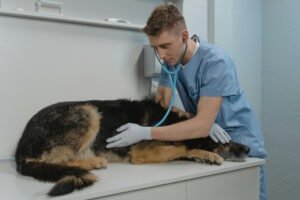
Recommended Check-Up Schedule
A typical senior wellness exam may include:
Comprehensive physical exam
Blood chemistry panel
Complete blood count
Urinalysis
Thyroid testing
Blood pressure monitoring
These tests establish baseline values and detect early changes. Catching kidney disease or diabetes early significantly improves management outcomes.
Veterinary care may feel expensive upfront, but early detection reduces emergency costs later.
Vaccinations and Screening Tests
Vaccination needs may shift based on lifestyle and regional risk. Core vaccines remain important, but some may be adjusted based on your dog’s exposure risk.
Heartworm prevention continues to be critical in countries like the US and Australia. Tick-borne diseases are rising in many regions, including parts of Canada and the UK.
Screening for cancers becomes more common with age. Early lump evaluation, abdominal imaging, or cardiac screening may be recommended depending on breed predisposition.
Prevention is always more effective than reaction.
Early Detection of Chronic Illnesses
Senior dogs are more prone to:
Arthritis
Kidney disease
Heart disease
Diabetes
Cancer
Cushing’s disease
Many of these conditions develop gradually. Subtle symptoms like increased thirst or mild lethargy often go unnoticed.
Routine bloodwork can reveal hidden issues long before outward signs appear.
Early detection doesn’t just extend lifespan—it improves quality of life.
Emotional Well-Being and Mental Stimulation
Aging affects the mind as much as the body. And emotional health directly influences physical health.
Senior dogs may become anxious as hearing or vision declines. Familiar routines become incredibly important. Feeding times, walk schedules, and sleeping arrangements should remain consistent.
Enrichment Activities for Older Dogs
Mental stimulation slows cognitive decline. Even simple activities can make a difference.
Try:
Snuffle mats
Gentle puzzle toys
Short training refreshers
Scent games
Slow feeder bowls
Keep sessions short and positive. Success builds confidence.
Training doesn’t stop at old age. In fact, learning new tricks stimulates the brain and strengthens your bond.

Reducing Anxiety and Stress
Some senior dogs develop separation anxiety or nighttime restlessness.
Calming strategies include:
Soft lighting at night
White noise machines
Calming pheromone diffusers
Comfortable bedding in familiar locations
Avoid rearranging furniture frequently. Dogs rely heavily on memory maps, and changes can cause confusion.
Patience becomes your most valuable tool.
Senior Dog Care Checklist
Here’s a practical overview to simplify daily care:
Category | Action Item | Frequency |
|---|---|---|
Vet Visits | Full exam + bloodwork | Every 6 months |
Weight Check | Monitor body condition | Monthly |
Nail Trimming | Maintain proper length | Every 3–4 weeks |
Dental Care | Brush teeth | Several times weekly |
Exercise | Low-impact walks | Daily |
Mental Stimulation | Puzzle or scent games | Daily |
Bedding | Wash and inspect | Weekly |
Consistency is the foundation of successful senior dog care.
Products That Improve Senior Dog Quality of Life
Certain products significantly enhance comfort:

Orthopedic memory foam beds
Non-slip rugs
Dog ramps
Elevated feeders
Joint supplements
Calming diffusers
For mobility and home accessibility solutions, you can explore supportive options designed to improve daily comfort at:
https://www.uberclimb.com
Practical tools create independence and reduce injury risk.
End-of-Life Planning and Compassionate Care
This is the hardest part—but also the most loving.
Planning doesn’t mean giving up. It means ensuring comfort and dignity when the time comes.
Quality of life assessments consider:
Pain levels
Appetite
Mobility
Engagement
Hygiene
Work closely with your veterinarian to evaluate options. Palliative care can extend comfort for months or even years.
When the time eventually arrives, focus on peace, familiarity, and love.
Your dog doesn’t measure life in years. They measure it in moments shared with you.
Conclusion
Senior dog care isn’t about slowing down—it’s about adjusting the rhythm. It’s about recognizing subtle changes and responding with intention. It’s about swapping long hikes for gentle walks, hard floors for soft beds, and high-impact jumps for steady ramps.
With proper nutrition, routine veterinary care, mental stimulation, and thoughtful home adjustments, your dog’s golden years can be full of comfort, dignity, and joy.
Growing older is inevitable. Suffering doesn’t have to be.
Love, awareness, and preparation make all the difference.
Frequently Asked Questions
1. How often should a senior dog see a vet?
Twice yearly visits are recommended. Senior dogs age faster, and early detection of illness improves outcomes significantly.
2. What is the best diet for a senior dog?
A diet rich in high-quality protein, omega-3 fatty acids, controlled calories, and antioxidants is ideal. Always consult your veterinarian for personalized advice.
3. How can I tell if my senior dog is in pain?
Look for stiffness, reluctance to move, decreased appetite, excessive panting, or behavioral changes. Subtle signs often indicate discomfort.
4. Are dog ramps really necessary for older dogs?
Yes. Ramps reduce joint strain and prevent injuries from jumping, especially in large breeds or dogs with arthritis.
5. Can senior dogs still learn new tricks?
Absolutely. Mental stimulation is essential for cognitive health. Short, positive training sessions can improve memory and confidence