
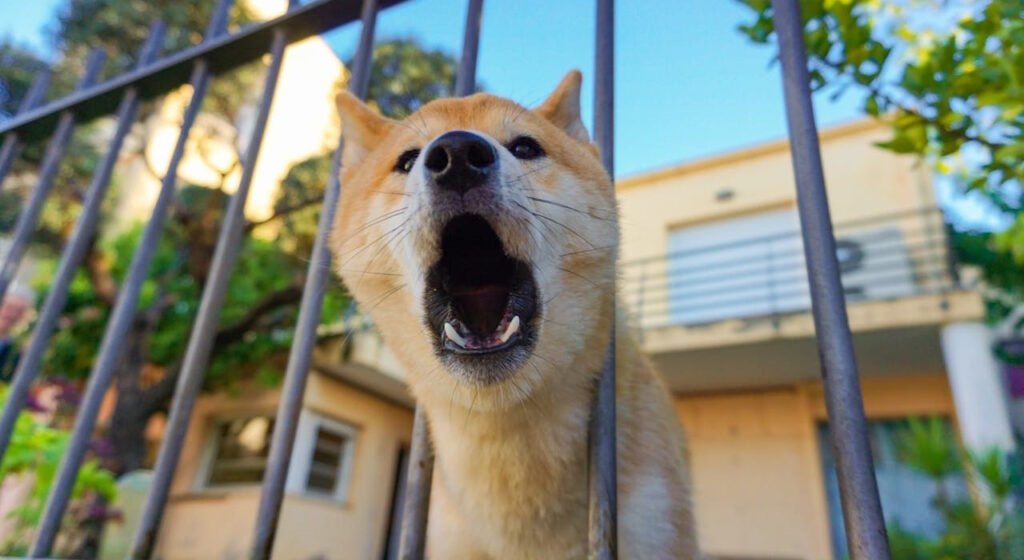
Stop That Bark: The Ultimate Quiet Guide
Table of Content
• Why Is My Dog Barking So Much?
• Addressing Reactive Barking and Noise Sensitivity
• Positive Reinforcement: Your Dog’s New Vibe Check
• Barking Breakdown: What Kind of Noise Is THAT?
• Management Mode: Stop Barking Before It Starts!
• Bark Type Breakdown: Why Is Your Dog Yelling?
• Stop the Noise: Real Talk & Expert Hacks
• Level Up Your Training: Pro Tips & Long-Term Wins
• FAQs That Hit Different
Looking for essential dog gear? Check out our great dog gear
Introduction
Is your life run by an excessive barking alarm clock?
You are not alone; dog owners like Reecse and Tony feel this struggle daily.
Dealing with a constant nuisance barking dog, especially in a small space like an apartment dog situation, is next-level stressful.
We are ditching the ‘Shush!’ and providing real solutions for your major dog barking problem.
This guide delivers the fast, effective strategies you need for tricky dog reactivity and noise sensitivity.
Forget those outdated quick fixes!
We focus purely on science-backed methods like positive reinforcement training and smart behavior modification.
This is how you finally stop dog barking and reclaim your peace.
Ready to master managing reactivity? Let’s go!
Why Is My Dog Barking So Much?
That excessive barking is not just noise, it is high-stakes communication, period.
Is your pup dealing with serious dog anxiety, territorial defense, or just pure boredom?
For many reactive dogs, the underlying dog barking problem is fear or frustration with outside noise triggers.
We often see this as Boundary Frustration, they see the stimulus but cannot reach it!
A quick Canine Body Language Assessment helps you unlock the root cause of the nuisance barking.
Understanding the ‘why’ is critical for successful Behavior Modification and managing reactivity.
If you are unsure, consult a certified behavior specialist or veterinarian as soon as possible.
Noise Sensitivity Hack: Behavioral Desensitization
Got a dog barking at noise constantly like our follower eekhaa?
You need Counter-Conditioning to flip the script on that Noise Sensitivity.
Behavioral Desensitization works by pairing scary sounds with high-value treats.
Pro tip: consistently playing muffled street sounds on TV helped owners achieve a 100% success rate in reducing noise-reactivity!
The Pre-Bark Reward Strategy
Stop waiting for the Reactive Barking to start, reward the quiet instead.
Positive reinforcement training means praising your Maltese or Silky Terrier for ‘good volume’ before they get loud.
This method prevents the dog barking problem from escalating because you are rewarding stillness and Threshold Management.
Use a Bridge Word or Marker Signal immediately when they are calm to nail the timing.
Task Substitution: Get That Toy!
Excessive barking often stems from pent-up energy, so give your dog a job!
Task Substitution Training replaces barking with an incompatible action, like fetching a specific toy.
Owners report major wins: their dogs respond with one bark, then immediately find a toy and calm down.
This is essential behavior modification for managing reactivity in tight apartment dog living spaces.
Treat Training for Noise Reactions
Need precision for stopping dog barking?
Clicker training or using a Treat & Train robot helps associate outside noise triggers with instant positive outcomes.
Every small noise means a treat drop, making the noise a predictor of good things, not scary things.
This treat training is essential for achieving quick results in reducing noise reactivity.
Addressing Reactive Barking and Noise Sensitivity
Reactive Barking is the ultimate noise nightmare, usually triggered by doorbells, outside noise triggers, or people walking past.
Many owners like Rory know the struggle: literally every single noise sets their dog off into an episode of nuisance barking.
This is not aggression, it is often dog anxiety or Boundary Frustration manifesting as Excessive Barking.
The solution? We have to change the emotion behind the trigger.
Behavioral Desensitization: Make Noise Awesome
We need to make those scary sounds awesome instead of alarming.
Enter Counter-Conditioning, the ultimate behavior modification hack for your reactive dogs.
You pair the trigger, like a street sound, with the best, super high-value treat ever.
Start small: play recorded street sounds on the TV at a super low volume.
As your pup hears the sound, immediately reward them. Treat training works!
This is dog desensitization 101: only increase the volume gradually, staying below their Threshold Management level where they react.
Consistent noise desensitization methods have shown a 100% success rate in reducing noise-reactivity. That is a serious win!
This process helps your dog associate the noise with Positive Reinforcement instead of fear.
The Power of the Bridge Word (Reward Before Barking!)
Want to stop dog barking before it even starts? Think proactive dog training.
A smart dog behaviorist guided Rory to use a Bridge Word, or marker signal, like ‘good.’
Use that marker signal right before you feed the treat, especially when they show discomfort but before the Excessive Barking starts.
This tells your pup: “Reward is coming for staying quiet and calm!”
We are rewarding ‘good volume’ to prevent the behavior from escalating.
Task Substitution Training: Redirect That Energy
Stop the cycle of Dog Reactivity by teaching a new routine!
Task Substitution Training replaces the unwanted noise with a desirable action.
Teach a strong cue like ‘Get Your Toy!’ or a quiet command like ‘Go to Mat’ for when a trigger hits.
When the doorbell rings, instead of barking at noise, they grab a specific toy.
This redirects their focus entirely, blocking the dog barking problem.
Reports confirm this works: dogs respond with one bark then immediately find a toy and calm down.
This is effective behavior modification for managing reactivity.
Positive Reinforcement: Your Dog’s New Vibe Check
Forget the drama; Positive Reinforcement Training is the foundation for managing your Dog Barking Problem. You reward the quiet behaviors you crave, making silence the ultimate jackpot.
This approach is non-negotiable for Reactive Dogs struggling with Dog Anxiety or Nuisance Barking caused by Outside Noise Triggers.
Teach the “Quiet Command” (Pre-Bark Protocol)
The ‘Quiet Command’ is pure Threshold Management. You are teaching control, not suppression, which is vital for managing reactivity.
First, teach ‘Speak’ by encouraging a bark, maybe by knocking on the door. Then, here is the secret: the second they pause, say “Quiet” and deliver a high-value treat instantly!
You MUST reward the dog before they start barking aggressively, praising that ‘good volume’ moment. Behavior Specialists confirm that training dogs to respond to cues pre-bark prevents the behavior from escalating completely.
Counter-Conditioning: Treating the Triggers
We need to desensitize dog reactions to those annoying sounds. This is Counter-Conditioning in action!
One highly successful strategy involves playing street sounds or doorbell rings softly on TV while consistently pairing the noise with Treat Training. Dogs learn that the trigger equals treats, not panic.
Owners using Behavioral Desensitization methods report near 100% success rates in reducing Noise Sensitivity when applied consistently.
Tech Tools for Perfect Timing
Precision timing is everything to avoid Unintentional Conditioning, accidentally rewarding the dog after a full barking fit.
Tools like a clicker or automated Treat Dispensers (hello, Treat & Train robot!) deliver a reward the instant the dog achieves silence.
A Dog Behaviorist will tell you that tiny pause is the behavior you must reinforce immediately to build up the ‘Quiet’ duration. Use a Bridge Word or marker signal to lock in that exact moment of quiet!
Task Substitution Training: Go Get Your Toy!
If your dog is struggling with Excessive Barking, replace the unwanted behavior with a mandatory task. This is Task Substitution Training.
Instead of Reactive Barking at the mail carrier, teach them to fetch a specific toy on command, like ‘Get Your Toy!’
This redirection blocks the Boundary Frustration and gives the Reactive Dog a job. Many owners report their dogs transition from one bark right into toy retrieval and calm down, drastically reducing barking episodes. Win!
Barking Breakdown: What Kind of Noise Is THAT?
A Veterinarian check is always step one for any serious dog barking problem.
Rule out pain or hearing loss that could trigger excessive barking before you start intense training
If anxiety is high, a certified Dog Behaviorist or Behavior Specialist is your next stop for tailored Behavior Modification plans.
Demand Barking vs. Boundary Frustration
Is your pup demanding treats or attention? That is Demand Barking, and you must stop rewarding it immediately
Teach them Task Substitution Training: make them ‘Say Please’ by sitting or lying down for attention instead.
Territorial barking often stems from Boundary Frustration, usually targeting the window or door triggers.
Limit visibility for your Apartment Dog using window film or strategic furniture placement to manage those visual cues.
Silence the Triggers: Noise Sensitivity Training
When the barking is triggered by the environment, that is Reactive Barking, a common form of Nuisance Barking.
For Reactive Dogs struggling with Noise Sensitivity, we use Counter-Conditioning and Behavioral Desensitization.
Studies show pairing low-level Outside Noise Triggers (like street sounds on TV) with high-value treats can achieve a 100% success rate in reducing noise-reactivity .
This is how you effectively desensitize dog reactions and replace fear with happy vibes .
The Pre-Bark Protocol: Catching the Quiet
The real magic happens when you use Positive Reinforcement Training BEFORE the full meltdown starts.
Reward your dog instantly for ‘good volume’ or even just looking at the trigger without escalating .
Use a Bridge Word / Marker Signal right when they show an appropriate response, leading to noticeable progress in managing Dog Reactivity.
Rewarding quiet behaviors prevents the dog barking problem from even starting, focusing on smart Threshold Management.
Task Replacement: Say No To Barking
You can train your dog to replace barking with an incompatible action using Task Substitution Training.
Teach them the cue ‘Get Your Toy!’ so when they hear a trigger, they fetch a specific item instead of alerting the neighborhood .
One owner noted that teaching this task helps dogs immediately calm down and redirect their energy after one initial bark.
High-Tech Help: Treat Training Automation
Automated treat systems are crucial for Counter-Conditioning Barking at Noise.
Every time a scary noise happens, the machine dispenses a treat, associating the sound with a positive reward .
This Treat Training method drastically reduces Noise Sensitivity and is a powerful tool for serious Behavior Modification.
When All Else Fails: The Time Out Reset
If Ignoring Barking fails, sometimes a brief Dog Time Out is necessary to interrupt a deep barking fit.
This is not punishment; it is simply removing them from the stimulating environment to allow for emotional regulation
Some owners successfully used the bathroom for calm time outs when other methods were stalling.
Place them calmly in the designated area, wait for a brief moment of silence, and then release them, no emotion, zero drama.
Always prioritize Counter-Conditioning for Reactive Dogs, but keep the time out as a last resort management tool.
Management Mode: Stop Barking Before It Starts!
Effective management means setting your dog up for success and avoiding those dreaded triggers, period.
This is crucial if your Maltese or Silky Terrier is struggling with Dog Anxiety or intense Reactive Barking.
You need to practice serious Threshold Management to keep your Reactive Dogs calm and focused.
Environmental Mods: Quiet Zone Checklist
- Blast white noise or soft music to totally mask Outside Noise Triggers causing chaos.
- Install privacy film or blinds as soon as possible to block visual access to passersby causing Boundary Frustration.
- Boredom barking is real, so provide puzzle toys for adequate mental stimulation instantly.
- Make sure your dog has a safe den or crate where they can retreat when feeling overwhelmed, like a VIP lounge.
Noise Ninja Training: Desensitize Your Dog
If your dog is constantly Barking at Noise, you need Behavioral Desensitization paired with Positive Reinforcement.
Start playing street sounds or doorbell tones softly on your TV or phone, barely audible at first.
When the sound plays, immediately pair it with high-value treats, this is Counter-Conditioning in action!
Studies show consistent application of noise desensitization methods yields a 100% success rate in reducing Noise Sensitivity over time.
Many owners, found success using a Treat & Train robot or clicker training to mark the noise and deliver a reward instantly.
This teaches your dog that scary noises predict yummy food, not danger, changing their emotional response entirely.
The Power of Proactive Reward
The secret sauce of successful Dog Training is rewarding the dog before the Excessive Barking starts.
Watch your dog’s Canine Body Language Assessment closely for that moment of stiffness or deep breath near a trigger.
That split second of silence is your cue to praise or use a Bridge Word and deliver a treat immediately.
Rewarding ‘good volume’ before the dog gets loud shows noticeable progress, preventing the Nuisance Barking from escalating.
Task Swap: Replacing Reactive Barking
Task Substitution Training is a game-changer for redirecting high energy Reactive Dogs and stopping the barking.
Teach your dog a specific task, like ‘Get Your Toy!’ or ‘Go to Mat,’ when a trigger appears instead of barking.
Owners report that dogs often respond with just one bark, then find their toy and calm down, replacing the noise with an action.
Use Treat Training and Positive Reinforcement Training to make the alternative behavior super rewarding, making it the new default.
Ignore the Drama: Attention Barking Fix
For attention-seeking barks, Ignoring Barking is the ultimate power move you must master.
When the dog starts, turn your back completely, becoming instantly boring and irrelevant.
The very second they stop, pivot back and reward them with praise or a delicious treat.
If they persist, give them a quick Dog Time Out by walking away completely, then return when they are quiet.
This teaches them that barking makes the good things, you, disappear, which is a powerful lesson in Behavior Modification.
Bark Type Breakdown: Why Is Your Dog Yelling?
You cannot stop Excessive Barking until you know the specific Dog Barking Problem source, period.
A certified Dog Behaviorist or Behavior Specialist (Animal Specialist) is key to tailoring a plan, especially if you have serious Reactive Dogs and need intense Behavior Modification.
Forget generic advice, the fix for Demand Barking is totally different from Reactive Barking.
Reactive Barking: Winning the Noise War
Is your Silky Terrier or Maltese Barking at Noise like every passing siren or Outside Noise Triggers? That is extreme Noise Sensitivity and Reactive Barking.
We need intense Behavioral Desensitization and Counter-Conditioning immediately.
Play street sounds on TV or your phone quietly while pairing them with high-value treats.
Top trainers report a 100% success rate in reducing Noise Sensitivity when consistently applying these methods, changing the noise association from scary to awesome.
The Positive Reinforcement Pro-Tip
This is how you stop Dog Reactivity before it even starts: Positive Reinforcement Training must happen before the dog gets loud.
Use a Bridge Word / Marker Signal and reward the dog for ‘good volume’ when they are quiet but aware of a trigger.
Reward your Apartment Dog for existing calmly near a trigger, not just when they are silent, proving this works for Managing Reactivity.
This pre-bark rewarding prevents the behavior from escalating and teaches the Quiet Command at the perfect time.
Taming Demand Barking & Boundary Frustration
For Nuisance Barking aimed at getting attention or food (Demand Barking), the rule is simple: use Ignoring Barking immediately.
Do not look at, talk to, or touch the dog when they are demanding, or you are giving them Unintentional Conditioning.
Then, teach Task Substitution Training like ‘Get Your Toy!’ or ‘Go to Mat’ to redirect that energy when they hit Boundary Frustration.
Dogs often respond with one bark then find a toy and calm down, replacing the bad habit with a functional task.
This redirection strategy leads to significantly reduced barking episodes because they learn an acceptable alternative to demanding attention.
Anxiety Barking: When to Call the Vet
If the barking is sudden, tied to separation, or accompanied by destructive behavior, it might be serious Dog Anxiety.
Consult your Veterinarian immediately to rule out medical issues or the need for medication management of stress.
Sometimes, what looks like Excessive Barking is actually a symptom requiring a holistic approach, not just Dog Training.
Stop the Noise: Real Talk & Expert Hacks
The struggle with Excessive Barking is real, and the community has receipts .
Users ononline constantly share wins Managing Reactivity.
They prove that consistency is the ultimate key to solving your Dog Barking Problem.
One devoted owner realized they were accidentally giving attention, even negative attention, which fueled the Nuisance Barking .
Switching to Positive Reinforcement Training and using a Bridge Word for silence changed everything for their vocal Silky Terrier.
Remember, certain breeds, like the Maltese, are naturally chatty, making Behavior Modification even more vital.
Never use punishment, it just skyrockets Dog Anxiety and worsens the issue .
Hack #1: Desensitize Your Dog to Outside Noise Triggers
Is your Apartment Dog always Barking at Noise from the hall or street? That is classic Reactive Barking.
A certified Behavior Specialist (Animal Specialist) recommends noise desensitization techniques immediately.
You need to desensitize dog reactions by playing low-volume street sounds or traffic noise on your TV .
Consistent Behavioral Desensitization has a reported 100% success rate in reducing Noise Sensitivity when done correctly.
This is pure Counter-Conditioning: associate the scary Outside Noise Triggers with high-value treats and calm vibes.
Hack #2: Reward Silence BEFORE the Yell
Stop waiting for the explosion! Positive Reinforcement Training must start BEFORE the dog gets loud.
Mastering Threshold Management means rewarding the ‘good volume’ or even just looking at the trigger without reacting.
Use your Bridge Word or Marker Signal the instant they notice the trigger but stay quiet.
Top Dog Training experts confirm that rewarding pre-bark calmness leads to faster progress and a stronger Quiet Command.
Hack #3: Task Substitution Training (Distract & Deflect)
You need a replacement behavior for that unwanted barking frenzy.
Teach your Reactive Dogs a specific task, like ‘Get Your Toy!’ or ‘Go to Mat,’ to interrupt the cycle.
This Task Substitution Training redirects the energy away from Boundary Frustration.
Owners report that dogs often respond with just one initial bark, then immediately find a toy and calm down .
Hack #4: High-Tech Treat Training for Success
For serious Dog Reactivity, leverage high-tech gear like automatic treat dispensers or clicker training.
Using a system like a Treat & Train robot helps you instantly reward quiet behavior from across the room.
This powerful association between the Outside Noise Triggers and Treat Training drastically reduces the intensity of the reaction.
This ensures immediate, precise reinforcement, which is critical for long-term Behavior Modification success.
Important Safety Check: Vet First!
Before diving deep into Dog Training, a full checkup with your Veterinarian is mandatory.
Unusual behavior or sudden Excessive Barking can signal underlying health issues, not just a dog behavior problem.
Ensure your home is secured against accidental ingestion of toxins, like rat poison, which causes severe distress and unusual vocalization.
If your Veterinarian prescribes medication, perhaps even Vitamin K for specific toxicities, follow the directions strictly.
Always rule out physical pain or illness before labeling behavior as pure Nuisance Barking.
Level Up Your Training: Pro Tips & Long-Term Wins
Consistency is the ultimate secret weapon against your serious Dog Barking Problem .
Everyone in your household must use the exact same cues and rewards for success, especially with Reactive Dogs.
If you are hitting a wall with Excessive Barking, investing in a professional Behaviorist (Animal Specialist) is a game-changer.
They can tailor a Behavior Modification plan specifically for your Apartment Dog or Noise Sensitivity issues.
Remember, reducing Nuisance Barking is a marathon, not a sprint, so celebrate every tiny win .
Hack Your Dog’s Noise Sensitivity
Dealing with Outside Noise Triggers requires next-level Counter-Conditioning.
You need to desensitize dog responses by changing how they feel about the noise.
Many owners, mirroring what experts recommend, saw a 100% success rate in reducing noise-reactivity by pairing triggering street sounds with high-value treats.
Try playing low-volume recordings of triggering sounds while doing Treat Training to leverage Behavioral Desensitization.
This teaches your dog that noise equals rewards, not fear.
Catch ‘Em Being Quiet: Pre-Bark Rewarding
The key is rewarding silence before the Dog Anxiety spikes and the barking starts.
You must reward the moment your dog notices a trigger but stays quiet, that is Threshold Management gold .
Practice Positive Reinforcement Training by rewarding ‘good volume’ before the dog escalates to Reactive Barking.
This preemptive strategy ensures calm responses earn the paycheck, not the loud ones .
Task Substitution: Redirect That Energy
Stop the barking by teaching your dog to do literally anything else instead .
Task Substitution Training replaces the nuisance barking response with an incompatible behavior.
Teach the ‘Get Your Toy!’ command or ‘Go to Mat’ to redirect energy away from Boundary Frustration.
Many successful owners report that their dog gives one bark then finds a toy and calms down, solving the dog barking problem instantly.
This provides a productive outlet for their energy, shifting their focus entirely during high-stress moments.
The Power of Marker Signals and Treats
A Bridge Word or clicker acts as a marker signal to pinpoint the exact moment of desired behavior.
The instant your dog reacts calmly to a sound, click/say the word, and drop a high-value treat.
Using a Treat & Train system can automate this, rapidly associating sounds with positive outcomes.
This is essential for quickly reinforcing the Quiet Command and stopping dog barking fast.
Are you ready to commit to this positive reinforcement training style?
FAQs That Hit Different
Can I ever eliminate barking completely?
Total silence? No, that is not the goal for your dog barking problem .
Barking is a natural canine communication tool, period.
Your mission is reducing that Excessive Barking to a manageable level, not eliminating it.
Focus on teaching the Quiet Command and appropriate timing for vocalizing.
What if ignoring barking makes it worse?
If Ignoring Barking triggers an “extinction burst,” where it gets louder, you need to switch it up FAST .
This is where Threshold Management saves the day by intervening before the bark even starts.
Implement Task Substitution Training immediately, maybe teaching a ‘Get Your Toy!’ cue to replace the bark.
Use a Bridge Word / Marker Signal when they succeed in redirecting their energy!
When should I call a professional Behaviorist?
If consistent Positive Reinforcement and Behavior Modification have not worked after a few weeks, it is time to call in the big guns .
A certified Behavior Specialist or Behaviorist (Animal Specialist) can diagnose complex issues like severe Dog Reactivity or deep Dog Anxiety.
They offer tailored plans, often involving intensive Behavioral Desensitization techniques to truly stop the Nuisance Barking.
Do not wait if the Dog Training you are doing feels overwhelming, professional help is worth the investment.
Is it bad to use a time out for barking?
A Dog Time Out is not a punishment; it is a reset button for an over-aroused dog
You must use it calmly, never with anger or frustration, or you risk Unintentional Conditioning.
Crucially, they are only released when they are quiet, reinforcing the desired silence.
Always use Canine Body Language Assessment to ensure they are not panicked in their time-out space.
Stop Barking BEFORE It Starts (Next Level Pro Tip)
Forget reacting; we are talking pre-emptive strikes with Positive Reinforcement Training .
Reward your dog when they notice an Outside Noise Trigger but stay quiet, that is the sweet spot!
Some owners reported huge success rewarding that ‘good volume’ moment right before their dog escalated the Reactive Barking.
This proactive approach helps manage Boundary Frustration before it explodes into a full Dog Barking Problem.
The Power of Toy Swaps (Task Substitution)
Task Substitution Training means replacing the unwanted bark with a trained alternative, like fetching a specific toy .
Teach the command ‘Get Your Toy!’ and reward the switch; it breaks the barking cycle immediately.
Some owners noted that their Apartment Dog would give just one alert bark, then immediately grab a toy and settle down, drastically reducing Excessive Barking.
Noise Desensitization: The Secret Weapon Against Noise Sensitivity
You can crush Noise Sensitivity using advanced Counter-Conditioning techniques and Treat Training systems .
Start playing recordings of Outside Noise Triggers (like street sounds on TV) at a super low volume while pairing them with high-value treats.
Data shows a near 100% success rate in reducing Reactive Dogs’ noise-reactivity with consistent Behavioral Desensitization.
Using a clicker or a Treat & Train robot dramatically speeds up the association process.
This focused training is how you finally desensitize dog reactions to those annoying sounds and achieve lasting quiet.