
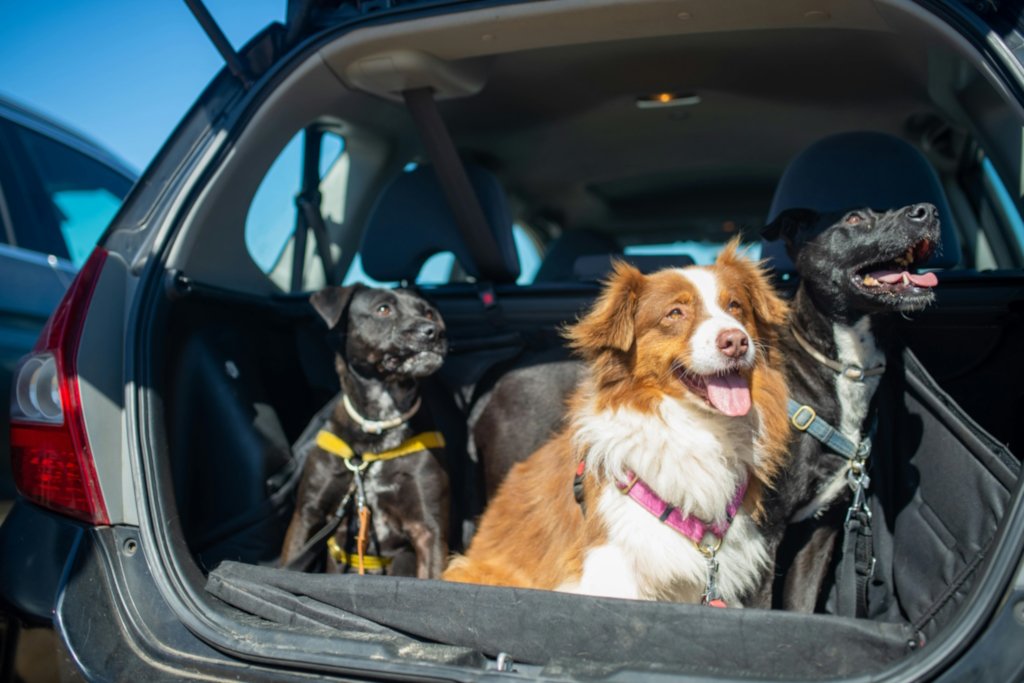
Travelling With Your Dog: The Ultimate Guide
Ready to hit the road or the skies with your best friend?
Traveling with a pet dog is the ultimate adventure, but skipping the preparation means major stress later.
You need to secure the travel paperwork and understand the dog travel requirements before you pack the leash!
Forget the chaos! Here is the essential checklist for seamless pet travel.
Paperwork Pro Status: CDC & USDA Requirements
Your pet travel requirements start and end with official documents.
For smooth passage, you need a health certificate issued by a USDA-accredited veterinarian within 10 days of your flight.
This critical travel paperwork proves your companion animal is healthy and ready to fly.
Don’t forget the most important item, proof of the required rabies vaccination.
Rabies Vaccination Rules: High-Risk Alert
The U.S. Centers for Disease Control and Prevention (CDC) is extremely strict about dog rabies prevention.
If you are returning to or entering the United States from a high-risk country classification for dog rabies, listen up!
You MUST have a Certification of U.S.-Issued Rabies Vaccination completed by a USDA-accredited veterinarian before you depart.
This certification form cannot be issued retroactively after leaving the U.S., meaning meeting the rabies vaccination certification requirement is essential for pet travel.
Regularly check the Animal and Plant Health Inspection Service (APHIS) and CDC requirements, especially concerning import regulations or export regulations for your pet dog.
Pet Classification & Carrier Rules: Know Your Limits
Does your animal qualify as a pet dog?

Only qualifying animals, such as domesticated dogs and cats, are considered companion animals for standard travel.
Others, like livestock or certain bird species, fall under different live animal import regulations and are not handled as pets.
If your pet is flying carry-on, size matters, period.
Hard-sided carriers are capped at dimensions of 9 x 17.5 x 12 inches, while soft-sided carriers must not exceed 11 x 18 x 11 inches.
Only these carriers are permitted for in-cabin pets under the Pet travel classification (Carry-on).
Service animal requirements are different, and those animals are exempt from these strict kennel guidelines and limits.
Choosing Your Travel Method: Carry-On, Checked, or Cargo?
You have options, but they depend heavily on your dog’s size and the destination country pet entry requirements.
Most small pets fly as carry-on if they meet the size restrictions and the Pet travel classification (Carry-on).
The Pet travel classification (Checked pets) is usually reserved for active U.S. Military personnel or U.S. State Department Foreign Service personnel traveling on official orders.
If checking a pet, you must contact reservations 48 hours in advance and provide a health certificate issued within 10 days of travel.
Larger animals often travel via cargo, following strict live animal export regulations set by government authority agencies.
What’s The Damage? Pet Travel Fees
Travel isn’t free for Fido, so budget accordingly!
Expect to pay around $150 per kennel for carry-on pets flying within the United States, Canada, or Mexico.
Checked pets for U.S. Military personnel and foreign service pay about $200 per kennel.
Service animals fly free across all destinations, which is a huge win!
Heads up, additional fees may apply for connecting flights, cargo fees vary widely, and all pet fees are usually non-refundable.
Temperature Restrictions: Keeping Paws Safe
Extreme weather is a NO-GO for animal travel safety.
Airlines enforce strict temperature restrictions to protect your pet dog from exposure to extreme heat or cold during transit.
These rules apply everywhere, in the animal holding areas, terminal facilities, and during cargo transfer.
If the tarmac is too hot or too cold, your flight might be delayed or your companion animal might be rerouted for safety.
Destination Veto List: Where Can’t My Dog Go?
Not every paradise accepts your pet travel plans.
Pets are frequently not accepted on flights to places like Australia, certain Caribbean islands, and specific U.S. states like Hawaii.
Most flights within the United States, Canada, Mexico, Alaska, Puerto Rico, St. Croix, and St. Thomas are typically permitted if import regulations are met.
Always confirm the destination country pet entry requirements and local import regulations before you book that ticket!
Paperwork Pro Status: The CDC & USDA Rules You Can’t Skip
Traveling with a pet requires serious preparation, not just packing treats.
Getting your travel paperwork sorted early is the ultimate secret sauce for stress-free adventures in 2026.
Do you know the latest CDC requirements for pet travel?
Always start with your USDA-accredited veterinarian to confirm your companion animal is fit for the journey and all shots are current.
They are the key to unlocking seamless animal travel!
Rabies Requirements: High-Risk Country Alert
This is the single most critical step for any international pet travel, especially when entering the United States or returning to the United States.
The U.S. Centers for Disease Control and Prevention (CDC) strictly regulates dogs coming from or through a high-risk country for dog rabies.
If your dog is departing the United States but planning to return from one of these locations, you MUST secure the Certification of U.S.-Issued Rabies Vaccination form.
This certification is required to meet strict rabies vaccination requirements.
Your USDA-accredited veterinarian must finalize this certification before your dog leaves the United States.
Seriously, the CDC enforces the prohibition on retroactive document issuance, no last-minute fixes are allowed after you leave!
Meeting the rabies requirements is essential for smooth pet entry requirements.
Documentation Deadlines: Health Certificates
Gathering the correct travel paperwork is non-negotiable for smooth sailing, even for domestic flights.
Most airlines and destinations demand a health certificate proving your pet dog is healthy enough to fly.
This health certificate must be issued within 10 days of travel, providing verifiable proof of up-to-date rabies vaccination.
For international trips, check the specific destination country pet entry requirements ASAP.
You might need a USDA-endorsed pet health certificate, which involves coordination with the Animal and Plant Health Inspection Service (APHIS).
These government authorities set strict import regulations and export regulations to protect public health globally.
Who Qualifies? Pet Classification
Not every animal is considered a pet in the eyes of the law!
Only certain qualifying animals, primarily domesticated dogs and cats, are classified for standard pet travel.
Other animals, like livestock (pigs, chickens) or specific bird species, are categorized as non-pets and face entirely separate animal travel rules.
Know your animal’s classification before you book that flight!
Pet Travel Classification: Are You Ready to Fly?
Traveling with a pet requires serious prep, but first, does your furry friend even qualify?
Not every creature is a “companion animal” under strict airline rules, so confirm your pet fits the bill before booking anything.
Generally, only domesticated dogs and cats are considered qualifying animals for standard pet travel classifications.
If you are dealing with livestock or poultry, those fall under specialized live animal import regulations or live animal export regulations and face intensely different rules.
Choosing Your Dog Travel Requirements
Stop scrolling, how will your pet dog actually fly?
Airlines like American Airlines typically offer three main options for pet travel, carry-on (Pet travel classification), checked pets (Pet travel classification), and dedicated cargo transport.
Flying as a carry-on is generally the least stressful option for your pup, keeping them close throughout the flight.
Checked pets classification is usually limited to specific travelers, like U.S. Military personnel or U.S. State Department Foreign Service personnel traveling on official orders. 🫡
For everyone else, larger dogs must fly via cargo, which involves coordinating with services like American Airlines Cargo or American PetEmbark®.
In-Cabin Carrier Guidelines: Size Matters, Seriously!
If your dog is small enough for Pet travel classification (Carry-on), they must fit comfortably in an approved carrier under the seat in front of you.
Hard-sided carriers are strictly limited to maximum dimensions of 9 x 17.5 x 12 inches for most major carriers.
Need a little wiggle room? Soft-sided carriers offer a slight edge but must not exceed 11 x 18 x 11 inches.
Measure twice and pack once, don’t risk getting turned away at the gate!
Service animals are the exception and are typically exempt from these specific carrier restrictions, flying right alongside their handlers.
In-Cabin Pet Carrier Size Limits (Example)
| Carrier Type | Maximum Dimensions (Inches, L x W x H) | Typical Fee (One Way) | Notes |
|---|---|---|---|
| Hard-Sided Kennel | 17.5 x 9 x 12 | $150 USD | Must be secured and ventilated. |
| Soft-Sided Kennel | 18 x 11 x 11 | $150 USD | Allows minor compression for fit. |
| Service Animal | N/A | Free | Exempt from size and carrier rules. |
Paperwork Power-Up: Rabies and Health Certification Required
Listen up, getting your travel paperwork right is the ultimate secret weapon for entering the United States or departing the United States without a crisis.
This is where the U.S. Centers for Disease Control and Prevention (CDC) and the U.S. Department of Agriculture (USDA) rules become critical.
You absolutely must have current proof of rabies vaccination for your pet dog before any international pet travel.
The Rabies Vaccination Requirements Checklist
If you are returning to the United States from a high-risk country classification for dog rabies, the scrutiny is intense.
You need a Certification of U.S.-Issued Rabies Vaccination completed by a USDA-accredited veterinarian.
This required certification cannot be issued retroactively after you have left the U.S.; meeting the rabies vaccination certification is non-negotiable.
Beyond rabies, you need a USDA-endorsed pet health certificate, sometimes called a Veterinary Export Health Certification System (VEHCS) document.
This health certificate validity period is usually very short, often issued within 10 days of travel for both departure and return, depending on your trip timing.
Failing to meet these destination country pet entry requirements means your dog travel plans are toast.
Fees, Flights, and Forbidden Zones
Ready for the fee breakdown? Pet travel classification (Carry-on) usually hits you with a $150 USD fee per kennel, one way.
Checked pets for active-duty U.S. Military personnel or Foreign Service personnel traveling on official orders are often around $200 USD per kennel.
Service animals fly free across all destinations, that’s a huge win for handlers!
Critical Temperature and Destination Restrictions
Be warned, airlines enforce strict temperature restrictions to protect your companion animal.
Animal travel logistics prevent pets from being exposed to extreme heat or cold during cargo transfer or terminal holding areas.
This means certain routes or times of year might be totally off limits due to temperature restrictions.
And yes, destination restrictions exist!
Pets are not accepted on flights to certain countries and regions like Australia, Hawaii, Guam, or specific Caribbean islands.
Always check the specific pet entry requirements and approved travel routes before you finalize your booking to avoid heartbreak!
Stop Scrolling! Decoding Dog Travel Requirements
Every major airline, including giants like American Airlines, has intense live animal import regulations that you must check immediately.
Ignoring these rules means major chaos and potentially getting denied boarding, don’t risk ruining your trip!
The Money Talk: Pet Travel Fees & Financial Planning
Understanding the fees associated with travelling with dogs prevents nasty surprises at the check-in counter.
The standard fee for a carry-on pet kennel is usually $150 per kennel, paid one way.
Heads up, these fees are typically non-refundable, even if your flight gets delayed or canceled, so plan carefully!
For qualifying U.S. Military personnel and U.S. State Department Foreign Service personnel traveling on official orders, the checked pet fee is often around $200 per kennel. 🫡
The good news? Recognized service animals fly free across all destinations, respecting their vital role.
Carry-On vs. Checked: Pet Travel Classification Limits
Your pet travel classification dictates where your furry friend sits, either as carry-on or checked pets.
If your pet meets size requirements, they can fly as a companion animal in the cabin with you.
The option to fly your pet dog as a checked pet is primarily reserved for military and diplomatic personnel traveling under the official orders requirement.
If your dog must fly as cargo, contact the airline’s dedicated cargo division, like American Airlines Cargo, well in advance.
Cargo fees vary wildly based on the weight, size, and destination of the animal travel, expect higher costs here.
Carrier Rules You MUST Follow
Don’t mess up your travel with a pet by bringing the wrong carrier, size limits are strict!
Hard-sided carriers are capped at 9 inches high, 17.5 inches long, and 12 inches wide.
Soft-sided carriers give you a little more wiggle room but must not exceed 11 inches high, 18 inches long, and 11 inches wide.
Only these approved carriers are permitted for in-cabin pets; service animals are exempt from these kennel guidelines and limits.
Mandatory Paperwork: Your Pet’s Passport to Fly
Forget the paperwork and you forget the flight, it’s that simple when dealing with dog travel requirements.
You absolutely must gather a valid health certificate issued by a USDA-accredited veterinarian.
This USDA-endorsed pet health certificate is often only valid if issued within 10 days of your departure.
Completing and submitting the correct travel paperwork is critical for both departing the United States and returning to the United States, depending on your trip timing.
Rabies Rule Check: High-Risk Country Alerts
This is the most critical step for international pet travel, understanding rabies vaccination requirements.
The U.S. Centers for Disease Control and Prevention (CDC) has extremely strict rules regarding dog rabies prevention.
If your dog is traveling to or from a high-risk country classification for dog rabies, the rules intensify immediately.
Your dog must have a US-issued rabies vaccination certified by a USDA-accredited veterinarian.
They must complete the official Certification of U.S.-Issued Rabies Vaccination form before your departure.
PRO TIP: The Animal and Plant Health Inspection Service (APHIS) requirements state this certification cannot be issued retroactively after you leave the U.S., no exceptions!
Extreme Weather Alert: Temperature Restrictions
Airlines prioritize your dog’s safety, which means they enforce strict temperature limits during transit.
These restrictions apply to cargo holds, animal holding areas, and even terminal facilities during transfer.
If the tarmac is too hot or too cold, your flight might be rerouted or your dog might be delayed, safety first!
Destination Restrictions: Where Can Your Dog NOT Go?
Not every dream destination is dog-friendly when flying; check import regulations before booking that ticket!
Pets are typically accepted on flights within the United States, Canada, Mexico, Alaska, Puerto Rico, St. Croix, and St. Thomas if all pet entry requirements are met.
However, major restrictions apply to places like Australia and certain Caribbean islands.
Always verify the specific destination country pet entry requirements long before you finalize your animal travel plans.
Safety First: Don’t Get Grounded!
Pet safety during air travel is paramount, and ignoring safety rules means instant travel denial.
Airlines implement strict rules regarding environmental conditions and destinations to protect your pet dog from unnecessary stress.
Temperature Traps & Route Restrictions
Airlines impose severe temperature and environmental restrictions for travelling with dogs to prevent exposure to extreme heat or cold.
These restrictions apply not only during flight but also in terminal facilities and animal holding areas before or after a flight.
If temperatures are too high or too low at any point along the route, the airline will refuse to transport the companion animal.
Not every beautiful location welcomes your dog, so research your destination country pet entry requirements carefully.
Pets are generally not accepted on flights to highly restricted areas like Australia, certain Caribbean islands, or the U.S. state of Hawaii.
Approved travel routes often include flights within the United States, Canada, Mexico, Alaska, Puerto Rico, St. Croix, and St. Thomas.
Always confirm specific import regulations for unique spots like Guam or Tokyo-Narita, which often have unique rules.
Rabies Requirements: The CDC and USDA Rules
This is the most critical step for pet travel, conquering the Rabies vaccination requirements.
The U.S. Centers for Disease Control and Prevention (CDC) requirements are non-negotiable, especially when entering the United States.
If your dog is traveling from a High-risk country classification for dog rabies, the scrutiny is intense.
You need proof of a US-issued rabies vaccination completed by a USDA-accredited veterinarian.
This essential travel paperwork is the ‘Certification of U.S.-Issued Rabies Vaccination’ form.
Pro tip: meeting the rabies vaccination certification is essential, and this required certification form cannot be issued via the prohibition on retroactive document issuance after you leave the U.S.
For all international trips, you must also satisfy the Animal and Plant Health Inspection Service (APHIS) requirements and live animal export regulations.
The Mandatory Paperwork Checklist
Completing and submitting the correct dog travel requirements paperwork is critical for smooth animal travel.
Gather your USDA-endorsed pet health certificate, which must be issued by a USDA-accredited veterinarian within 10 days of travel.
This short health certificate validity period means timing your vet visit perfectly for both departing the United States and returning to the United States.
Always confirm the specific destination country pet entry requirements, as some require additional certification form submissions.
Who Qualifies? Pet vs. Non-Pet
Only domesticated dogs and cats qualify as companion animal ‘pets’ for travel classification.
Other qualifying animals, like livestock (pigs, chickens) or certain bird species, are categorized as non-pets and face totally different import regulations.
Knowing your animal classification prevents major chaos at the airport.
Carrier Check: Size and Safety Limits
Your kennel guidelines and limits depend entirely on your Pet travel classification (Carry-on) or (Checked pets).
For in-cabin travel, hard-sided carriers are strictly limited to dimensions of 9 x 17.5 x 12 inches.
Soft-sided carriers must not exceed 11 x 18 x 11 inches for the carry-on pet classification.
Service animal requirements are completely separate, and service animals are exempt from these strict carrier restrictions.
How Your Dog Flies: Carry-On, Checked, or Cargo?
Pets can fly as carry-on if they meet the size and breed restrictions, staying right under your seat.
Travel with a pet as checked baggage is generally reserved for U.S. Military personnel or U.S. State Department Foreign Service personnel traveling on official orders requirement.
Checked pets require you to contact reservations 48 hours prior and present a health certificate issued within 10 days of travel.
If your pet dog is too large for the cabin, they will travel via cargo, often handled by divisions like American Airlines Cargo or American PetEmbark®.
Remember that pet travel fees vary, $150 per kennel for carry-on pets, versus $200 per kennel for checked pets for military/diplomatic travelers.
Service animals always fly free across all destinations, that’s the one major break!
Stop! International Dog Travel Paperwork is NOT a Joke
Going global with your companion animal means coordinating with serious government authority figures.
The U.S. Department of Agriculture (USDA) and the U.S. Centers for Disease Control and Prevention (CDC) set absolute rules for safe pet travel. 🇺🇸
Ignoring these strict import regulations, especially those covering rabies requirements, is the fastest way to get your pet dog grounded.
Rabies Risk Zones: Are You Certified?
If your itinerary involves a high-risk country classification for dog rabies, you must pay intense attention to documentation.
Returning to the United States requires rigorous scrutiny under strict CDC requirements to protect public health.
The fundamental rule is the non-negotiable completion of the ‘Certification of U.S.-Issued Rabies Vaccination’ form before you depart the United States.
This crucial certification confirms your dog received a US-issued rabies vaccination.
A USDA-accredited veterinarian must be the one to issue this certification form.
Crucially, this paperwork cannot be issued retroactively after you have already left the country, so ensure your rabies vaccination certification is completed early!
If you fail to complete this critical travel paperwork, your pet entry requirements will not be met, resulting in quarantine or rejection upon entering the United States.
APHIS and the Digital Paper Trail
The Animal and Plant Health Inspection Service (APHIS) oversees all live animal import regulations and export regulations for qualifying animals.
Your USDA-accredited veterinarian often uses the Veterinary Export Health Certification System (VEHCS) to manage and endorse your required travel paperwork digitally.
Understanding the roles of APHIS and the CDC streamlines the entire animal travel process.
Don’t wait until the last minute for your USDA-endorsed pet health certificate; it often must be issued within 10 days of your travel date!
Are you ready to tackle the high-stakes world of international pet travel? Tell us your biggest worry below!
Ready to Fly? Pre-Trip Prep for Your Pet Dog
Forget the scary government authority paperwork for a minute, because your dog’s comfort is the real mission.
Introducing your pet dog to their travel kennel before the trip is non-negotiable, make that crate a safe space, not a cage!
Did you double-check their microchip status, ensuring all contact info is 100% current just in case?
Pack enough familiar food and blankets to keep their routine locked down and reduce travel anxiety.
If your companion animal is nervous about flights or car rides, chat with your USDA-accredited veterinarian about motion sickness or anti-anxiety measures.
Non-Negotiable Travel Paperwork Check
You must gather crucial travel paperwork, including a health certificate issued within 10 days of travel, confirming your dog is fit to fly.
Proof of rabies vaccination is the absolute key to pet entry requirements, whether you are departing the United States or returning to the United States.
If your dog is coming from or going to a high-risk country classification for dog rabies, you need a specific Certification of U.S.-Issued Rabies Vaccination form.
Warning: This required certification form must be completed by a USDA-accredited veterinarian before departure, as prohibition on retroactive document issuance is strictly enforced by the U.S. Centers for Disease Control and Prevention (CDC).
Ignoring these strict import regulations and rabies requirements will absolutely ground your pet.
Carrier Rules & Pet Qualification
Only specific qualifying animals, like domesticated cats and pet dogs, are classified as pets for travel, unlike livestock or poultry which face different live animal import regulations.
Your dog must fit comfortably in an approved carrier, but size restrictions are serious business if they fly in the cabin.
For carry-on pets, hard-sided carriers must not exceed 9 x 17.5 x 12 inches, so measure twice!
Soft-sided carriers get a little more wiggle room but must stay under 11 x 18 x 11 inches.
How Your Pet Flies: Options & Fees
Your pet travel options usually boil down to carry-on (if they meet the size limits) or cargo, depending on the airline policy and destination country pet entry requirements.
Pets can fly as checked pets only if they belong to U.S. Military personnel or U.S. State Department Foreign Service personnel traveling on official orders.
These checked pets require contact with reservations 48 hours prior and a health certificate issued within 10 days of travel.
Get ready for the fee shock, carry-on pets usually cost around $150 per kennel, while checked pets for military/diplomatic families run closer to $200 per kennel.
Cargo fees vary wildly, so check with American Airlines Cargo or similar services immediately.
Service Animals: The Exception to the Rules
Service animal requirements differ significantly, allowing these working animals to bypass most size and fee restrictions.
These amazing companion animals are allowed to sit with their handler in the cabin, regardless of the size of the pet dog.
The best news? Service animals fly free across destinations, but specific documentation confirming their status is mandatory.
Temperature & Destination Alerts
Airlines enforce strict temperature and environmental restrictions to protect your pet dog from exposure to extreme heat or cold during transit.
These restrictions apply everywhere, in the animal holding areas, terminal facilities, and during cargo transfer, so seasonal travel planning is key.
Before booking, check destination restrictions because pets are not accepted on flights to certain regions like Australia, parts of the Caribbean, and even specific U.S. states like Hawaii.
Always confirm the specific destination country pet entry requirements before you finalize any travel plans!
FAQ: Your Dog Travel Questions, Answered!
What is the most crucial document needed for international dog travel?
Stop scrolling, the ultimate travel paperwork is the health certificate issued by a USDA-accredited veterinarian within 10 days of travel.
You also need current rabies vaccination proof, especially the Certification of U.S.-Issued Rabies Vaccination if you are returning to the United States from a high-risk country.
This is serious government authority stuff involving APHIS requirements, so double-check every date!
Can I bring livestock or poultry as a pet on a commercial flight?
Only domesticated pet dog and cat species are generally classified as qualifying animals for standard pet travel.
Livestock or poultry are subject to totally different and much stricter live animal import regulations and live animal export regulations.
What are the major restrictions for pets traveling as checked baggage?
Checked pets are super restricted, usually limited to U.S. Military personnel or U.S. State Department Foreign Service personnel traveling on official orders requirement.
They face mandatory health certificates and strict temperature restrictions to keep them safe during animal travel.
Contact American Airlines Cargo or similar services for the exact procedures if you qualify for checked pet travel.
Why is the Certification of U.S.-Issued Rabies Vaccination so important?
This certification form is mandated by the U.S. Centers for Disease Control and Prevention (CDC requirements) to block dog rabies reintroduction from high-risk country locations.
Listen up, this required certification document cannot be issued retroactively after you depart the United States.
Meeting rabies vaccination requirements before leaving is essential for your return pet entry requirements!
What are the kennel limits for carry-on pet travel?
Your companion animal needs the right ride, so check the kennel guidelines and limits!
For carry-on pet travel, hard-sided carriers must not exceed 9 x 17.5 x 12 inches.
Soft-sided carriers are slightly bigger, capped at 11 x 18 x 11 inches.
Remember that service animal requirements are different, but standard pet entry requirements are strict on size for all qualifying animals.
Are there temperature restrictions for my pet dog’s flight?
Airlines enforce strict temperature restrictions to prevent your pet dog from exposure to extreme heat or cold during transit.
This applies to animal holding areas, terminal facilities, and during cargo transfer.
How much does it generally cost to fly a dog in the cabin?
Fees associated with travelling with dogs in the cabin usually hit around $150 per kennel, per one-way flight.
Checked pets for qualifying military or diplomatic personnel run about $200 per kennel.
Always confirm the latest pricing with your specific airline, like American Airlines, because all those travel fees are non-refundable!
Are there destination restrictions when traveling with a pet?
Major destination restrictions apply!
Pets are often not accepted on flights to certain countries and regions, including Australia and some U.S. states like Hawaii.
Always confirm the destination country pet entry requirements before booking your flight, or your dog stays home.
Travel with a pet requires checking every flight segment for approval, especially when traveling outside the United States, Canada, or Mexico.